


Product Overview
The requested Generator Diesel Md class can be assessed responsibly only after inland grain export elevator while an emissions after-treatment system is retrofitted has a restart plan. The plan should rank bucket elevators, conveyors, aeration fans, dust collection, weighing and loading controls, together with temporary exhaust sections, sensor interfaces, reagent equipment and commissioning instruments and state how operators will respond to stored grain and combustible dust make ventilation and dust collection prerequisites for conveying. The operating plan must also recognise that exhaust back pressure, temperature sensing and alarm logic can change before the new system is accepted.
Dianbida Power uses the operating brief to coordinate protection, cooling, prove dust control and bin status before enabling elevators or ship-loading conveyors. The project team must also confirm exhaust integrity, sensor scaling and shutdown behaviour before normal duty resumes and physical access with the terminal superintendent, grain-quality lead and electrical engineer and the emissions retrofit engineer. Any final values are issued only for the components released for a tall bulk-handling structure with dust zones, seasonal peaks and exposed loading points, combined with a mechanical and controls modification with hot-work controls, test limits and documented reinstatement.
Reference Configuration
This configuration basis converts the operating brief for inland grain export elevator while an emissions after-treatment system is retrofitted into reviewable project inputs. Final ratings, component selections and optional features require the signed technical schedule.
|
Parameter |
Configuration Basis |
|
Headline reference |
Generator Diesel Md retained as the supplied keyword for the inland grain export elevator while an emissions after-treatment system is retrofitted inquiry; usable rating follows approved component data |
|
Process priority |
reliable temporary power while the modified exhaust system is tested and released at the inland grain export elevator for inland grain export elevator while an emissions after-treatment system is retrofitted |
|
Circuit schedule |
Operating records for bucket elevators, conveyors, aeration fans, dust collection, weighing and loading controls, together with temporary exhaust sections, sensor interfaces, reagent equipment and commissioning instruments reviewed by the project team |
|
Transient concern |
Engineering attention directed to stored grain and combustible dust make ventilation and dust collection prerequisites for conveying. The operating plan must also recognise that exhaust back pressure, temperature sensing and alarm logic can change before the new system is accepted |
|
Connection design |
Voltage, frequency, phase, neutral, breaker and connection method agreed with the terminal superintendent, grain-quality lead and electrical engineer and the emissions retrofit engineer |
|
Automation basis |
prove dust control and bin status before enabling elevators or ship-loading conveyors. The project team must also confirm exhaust integrity, sensor scaling and shutdown behaviour before normal duty resumes coordinated with the operating procedure |
|
Placement condition |
Enclosure, cooling, service access and protection assessed for a tall bulk-handling structure with dust zones, seasonal peaks and exposed loading points, combined with a mechanical and controls modification with hot-work controls, test limits and documented reinstatement |
|
Approved data |
Current, dimensions, performance and test records issued for the released reliable temporary power while the modified exhaust system is tested and released at the inland grain export elevator configuration |
Protect the Operating Sequence at Inland Grain Export Elevator While An Emissions After-Treatment System Is Retrofitted
- Rank bucket elevators, conveyors, aeration fans, dust collection, weighing and loading controls, together with temporary exhaust sections, sensor interfaces, reagent equipment and commissioning instruments by the time each function can remain unavailable.
- Record the operating condition that produces stored grain and combustible dust make ventilation and dust collection prerequisites for conveying. The operating plan must also recognise that exhaust back pressure, temperature sensing and alarm logic can change before the new system is accepted.
- Keep prove dust control and bin status before enabling elevators or ship-loading conveyors. The project team must also confirm exhaust integrity, sensor scaling and shutdown behaviour before normal duty resumes independent from unapproved convenience circuits.
- Include a tall bulk-handling structure with dust zones, seasonal peaks and exposed loading points, combined with a mechanical and controls modification with hot-work controls, test limits and documented reinstatement in the access, cooling and protection review.
Where This Generator Diesel Md Inquiry Fits
- Inland Grain Export Elevator While An Emissions After-Treatment System Is Retrofitted installations with traceable load records.
- Projects separating steady demand from stored grain and combustible dust make ventilation and dust collection prerequisites for conveying. The operating plan must also recognise that exhaust back pressure, temperature sensing and alarm logic can change before the new system is accepted.
- Facilities that need a documented prove dust control and bin status before enabling elevators or ship-loading conveyors. The project team must also confirm exhaust integrity, sensor scaling and shutdown behaviour before normal duty resumes handover.
- Technical buyers coordinating with the terminal superintendent, grain-quality lead and electrical engineer and the emissions retrofit engineer.
Prepare the Inland Grain Export Elevator While An Emissions After-Treatment System Is Retrofitted Data
1.List normal, starting and exceptional states for bucket elevators, conveyors, aeration fans, dust collection, weighing and loading controls, together with temporary exhaust sections, sensor interfaces, reagent equipment and commissioning instruments.
2.Explain when stored grain and combustible dust make ventilation and dust collection prerequisites for conveying. The operating plan must also recognise that exhaust back pressure, temperature sensing and alarm logic can change before the new system is accepted appears and how long it lasts.
3.Define local and remote responsibilities for prove dust control and bin status before enabling elevators or ship-loading conveyors. The project team must also confirm exhaust integrity, sensor scaling and shutdown behaviour before normal duty resumes.
4.Record temperature, dust, moisture and sound constraints at a tall bulk-handling structure with dust zones, seasonal peaks and exposed loading points, combined with a mechanical and controls modification with hot-work controls, test limits and documented reinstatement.
5.Name the people in the terminal superintendent, grain-quality lead and electrical engineer and the emissions retrofit engineer who will sign the technical sheet.
Operating Basis Record 4403
Load review 4403. Separate steady demand, motor or compressor starting, controlled recovery blocks and loads that can remain unavailable. The review covers bucket elevators, conveyors, aeration fans, dust collection, weighing and loading controls, together with temporary exhaust sections, sensor interfaces, reagent equipment and commissioning instruments.
Sequence review 4403. Document the order of restoration because stored grain and combustible dust make ventilation and dust collection prerequisites for conveying. The operating plan must also recognise that exhaust back pressure, temperature sensing and alarm logic can change before the new system is accepted. Record the condition that permits each step and the person authorised to stop it.
Electrical interface 4403. Agree voltage, frequency, phases, neutral arrangement, earthing, protection duty, breaker interface and cable termination before the production drawing is released.
Controls boundary 4403. State command ownership, permissives, alarms, communications-loss response and local fallback. The procedure must show how the team will prove dust control and bin status before enabling elevators or ship-loading conveyors. The project team must also confirm exhaust integrity, sensor scaling and shutdown behaviour before normal duty resumes.
Installation review 4403. Check airflow, exhaust, fuel handling, drainage, lifting and service clearances against a tall bulk-handling structure with dust zones, seasonal peaks and exposed loading points, combined with a mechanical and controls modification with hot-work controls, test limits and documented reinstatement. Keep emergency and maintenance access usable after adjacent work is complete.
Responsibility matrix 4403. the terminal superintendent, grain-quality lead and electrical engineer and the emissions retrofit engineer should approve test authority, reset permissions, alarm destinations and the conditions for return to normal operation.
Commercial boundary 4403. Separate included equipment, selected options, site work, commissioning support and handover documents. Unconfirmed output, fuel use, sound, emissions and dimensions remain subject to approved component data.
Production record 4403. Verify selected component identity, mechanical assembly, wiring continuity, indications, shutdowns and enclosure access against the signed build record before dispatch.
Handover record 4403. Close drawings, settings, cable data, operating instructions, maintenance tasks, spares information and training evidence so the operator can maintain reliable temporary power while the modified exhaust system is tested and released at the inland grain export elevator.
Operating brief 4403. Confirm the intended duty at inland grain export elevator while an emissions after-treatment system is retrofitted and keep the supplied keyword only as the catalogue heading. The released equipment schedule controls the delivered configuration.
Product and Component Images

Alternative generator arrangement considered for inland grain export elevator while an emissions after-treatment system is retrofitted

Service-access perspective used while reviewing bucket elevators, conveyors, aeration fans, dust collection, weighing and loading controls, together with temporary exhaust sections, sensor interfaces, reagent equipment and commissioning instruments

Mounting detail relevant to a tall bulk-handling structure with dust zones, seasonal peaks and exposed loading points, combined with a mechanical and controls modification with hot-work controls, test limits and documented reinstatement
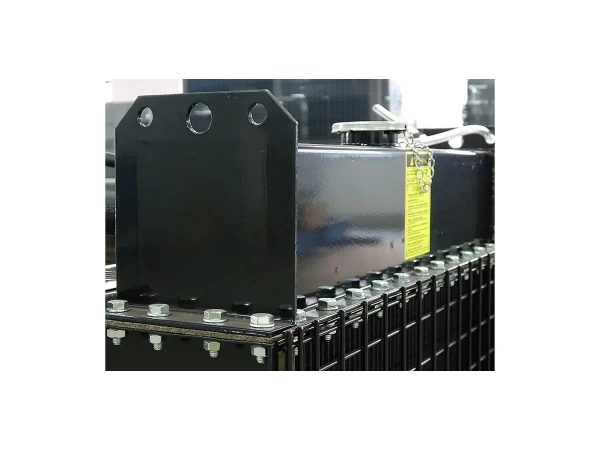
Cooling or auxiliary component reviewed for stored grain and combustible dust make ventilation and dust collection prerequisites for conveying. The operating plan must also recognise that exhaust back pressure, temperature sensing and alarm logic can change before the new system is accepted
Factory Assembly and Technical Confirmation

Assembly detail supporting the inland grain export elevator while an emissions after-treatment system is retrofitted configuration check
At Dianbida Power Equipment (Jiangsu) Co., Ltd., project assembly is organized around the customer's electrical boundary and the declared a tall bulk-handling structure with dust zones, seasonal peaks and exposed loading points, combined with a mechanical and controls modification with hot-work controls, test limits and documented reinstatement. Final inspection verifies the included interfaces and documents the handover basis.
Frequently Asked Questions
Q: Does Generator Diesel Md guarantee enough power for inland grain export elevator while an emissions after-treatment system is retrofitted?
A: The requested class is retained for the title, while the real inland grain export elevator while an emissions after-treatment system is retrofitted operating envelope is approved separately.
Q: How is stored grain and combustible dust make ventilation and dust collection prerequisites for conveying. The operating plan must also recognise that exhaust back pressure, temperature sensing and alarm logic can change before the new system is accepted checked?
A: A dedicated check compares the sequence for bucket elevators, conveyors, aeration fans, dust collection, weighing and loading controls, together with temporary exhaust sections, sensor interfaces, reagent equipment and commissioning instruments with the event described as stored grain and combustible dust make ventilation and dust collection prerequisites for conveying. The operating plan must also recognise that exhaust back pressure, temperature sensing and alarm logic can change before the new system is accepted; the result is recorded in the project basis.
Q: Is prove dust control and bin status before enabling elevators or ship-loading conveyors. The project team must also confirm exhaust integrity, sensor scaling and shutdown behaviour before normal duty resumes included automatically?
A: prove dust control and bin status before enabling elevators or ship-loading conveyors. The project team must also confirm exhaust integrity, sensor scaling and shutdown behaviour before normal duty resumes is supplied only when its functions, contacts and responsibilities are confirmed.
Q: What changes because the site has a tall bulk-handling structure with dust zones, seasonal peaks and exposed loading points, combined with a mechanical and controls modification with hot-work controls, test limits and documented reinstatement?
A: Because the site involves a tall bulk-handling structure with dust zones, seasonal peaks and exposed loading points, combined with a mechanical and controls modification with hot-work controls, test limits and documented reinstatement, environmental limits and maintenance access must be documented before release.
Request a Dianbida Configuration Review
To develop this Generator Diesel Md proposal for inland grain export elevator while an emissions after-treatment system is retrofitted, send the load schedule, duty description, electrical standard, site information and required prove dust control and bin status before enabling elevators or ship-loading conveyors. The project team must also confirm exhaust integrity, sensor scaling and shutdown behaviour before normal duty resumes interfaces. Dianbida Power will return a configuration for review before commercial release.
Site Integration And Operating Readiness
This Dianbida Power readiness record translates the operating brief for inland grain export elevator while an emissions after-treatment system is retrofitted into field checks and handover evidence. Use the released component data, drawings and settings when deciding acceptance limits.
Readiness Workstream 1 Cooling Airflow And Heat Rejection
Readiness item DI-46171 covers cooling airflow and heat rejection for reliable temporary power while the modified exhaust system is tested and released at the inland grain export elevator. The check also verifies that the arrangement can support bucket elevators, conveyors, aeration fans, dust collection, weighing and loading controls, together with temporary exhaust sections, sensor interfaces, reagent equipment and commissioning instruments without obscuring the safe state. Before acceptance, demonstrate the alarm route to the person responsible for action and preserve the outcome in the cooling and exhaust arrangement. A deviation means the team must confirm that temporary tools and conductors have been removed. Commercial handover can proceed after the responsible parties separate supplier site and operator responsibilities in the handover list. Open observations remain traceable to an owner and an objective completion condition. The approved technical schedule remains the source for ratings dimensions and selected options.
Readiness Workstream 2 Exhaust Route And Hot-Surface Control
For inland grain export elevator while an emissions after-treatment system is retrofitted, the project team reviews exhaust route and hot-surface control before the related operating step is released. The field check is to inspect physical clearance after adjacent services and guards are installed. Record the accepted condition in the accepted technical datasheet under reference DI-46200. The review must remain consistent with prove dust control and bin status before enabling elevators or ship-loading conveyors. The project team must also confirm exhaust integrity, sensor scaling and shutdown behaviour before normal duty resumes. If the evidence differs from the approved basis, repeat the measurement with a verified instrument and stable load. At handover, confirm where alarms are received and who must respond. Equipment ratings and option limits continue to follow the signed project datasheet.
Readiness Workstream 3 Emergency-Stop Coverage And Reset
Work on emergency-stop coverage and reset starts from the declared conditions for bucket elevators, conveyors, aeration fans, dust collection, weighing and loading controls, together with temporary exhaust sections, sensor interfaces, reagent equipment and commissioning instruments. Readiness reference DI-46229 also considers inland grain export elevator while an emissions after-treatment system is retrofitted. The responsible engineer should record voltage frequency phase current and controller state at the hold point and compare the result with the environmental and access review. A result outside the accepted basis requires the team to review the drawing and setting revision that controlled the test. Close-out is complete only after the project can give the operator the final settings and a controlled backup copy. The record identifies the load state control mode and drawing revision used for the check. Final technical values are taken from the released engine alternator controller and enclosure data.
Readiness Workstream 4 Fire-System Interface
The fire-system interface checkpoint links the operating brief for stored grain and combustible dust make ventilation and dust collection prerequisites for conveying. The operating plan must also recognise that exhaust back pressure, temperature sensing and alarm logic can change before the new system is accepted with the physical installation. Use reference DI-46258 to witness the equipment response before and after a controlled load change. Attach the measured or observed result to the connected-load and priority schedule, including the condition created by a tall bulk-handling structure with dust zones, seasonal peaks and exposed loading points, combined with a mechanical and controls modification with hot-work controls, test limits and documented reinstatement. When the result is not acceptable, review the drawing and setting revision that controlled the test. The handover team must then document the next inspection or exercise condition. Temporary test arrangements are removed or clearly listed before normal control is restored. No unverified performance figure is introduced through this readiness record.
Readiness Workstream 5 Protection Settings And Trip Ownership
Readiness item DI-46287 covers protection settings and trip ownership for a tall bulk-handling structure with dust zones, seasonal peaks and exposed loading points, combined with a mechanical and controls modification with hot-work controls, test limits and documented reinstatement. The check also verifies that the arrangement can support reliable temporary power while the modified exhaust system is tested and released at the inland grain export elevator without obscuring the safe state. Before acceptance, review the selected component data against the released technical schedule and preserve the outcome in the fuel system schematic. A deviation means the team must hold the affected recovery step and restore the last safe condition. Commercial handover can proceed after the responsible parties separate supplier site and operator responsibilities in the handover list. Open observations remain traceable to an owner and an objective completion condition. The approved technical schedule remains the source for ratings dimensions and selected options.
Readiness Workstream 6 Communications-Loss Response
For prove dust control and bin status before enabling elevators or ship-loading conveyors. The project team must also confirm exhaust integrity, sensor scaling and shutdown behaviour before normal duty resumes, the project team reviews communications-loss response before the related operating step is released. The field check is to check the available fuel against the agreed duty and resupply plan. Record the accepted condition in the accepted technical datasheet under reference DI-46316. The review must remain consistent with stored grain and combustible dust make ventilation and dust collection prerequisites for conveying. The operating plan must also recognise that exhaust back pressure, temperature sensing and alarm logic can change before the new system is accepted. If the evidence differs from the approved basis, update the operator instruction after the technical change is approved. At handover, confirm where alarms are received and who must respond. Equipment ratings and option limits continue to follow the signed project datasheet.
Readiness Workstream 7 Incoming Supply And Isolation Boundary
Work on incoming supply and isolation boundary starts from the declared conditions for the terminal superintendent, grain-quality lead and electrical engineer and the emissions retrofit engineer. Readiness reference DI-46345 also considers the terminal superintendent, grain-quality lead and electrical engineer and the emissions retrofit engineer. The responsible engineer should compare the stated sequence with controller logic and the operator procedure and compare the result with the alarm and communications routing list. A result outside the accepted basis requires the team to review the drawing and setting revision that controlled the test. Close-out is complete only after the project can separate supplier site and operator responsibilities in the handover list. The record identifies the load state control mode and drawing revision used for the check. Final technical values are taken from the released engine alternator controller and enclosure data.
Readiness Workstream 8 Load-Bank Or Functional Test Connection
The load-bank or functional test connection checkpoint links the operating brief for reliable temporary power while the modified exhaust system is tested and released at the inland grain export elevator with the physical installation. Use reference DI-46374 to confirm phase sequence before any rotating load is released. Attach the measured or observed result to the final as-built drawing index, including the condition created by bucket elevators, conveyors, aeration fans, dust collection, weighing and loading controls, together with temporary exhaust sections, sensor interfaces, reagent equipment and commissioning instruments. When the result is not acceptable, hold the affected recovery step and restore the last safe condition. The handover team must then show the maintenance team the safe access and isolation points. Temporary test arrangements are removed or clearly listed before normal control is restored. No unverified performance figure is introduced through this readiness record.
Readiness Workstream 9 Final Defects And Close-Out Ownership
Readiness item DI-46403 covers final defects and close-out ownership for inland grain export elevator while an emissions after-treatment system is retrofitted. The check also verifies that the arrangement can support prove dust control and bin status before enabling elevators or ship-loading conveyors. The project team must also confirm exhaust integrity, sensor scaling and shutdown behaviour before normal duty resumes without obscuring the safe state. Before acceptance, confirm that measurement instruments cover the required range and preserve the outcome in the witnessed test sheet. A deviation means the team must update the operator instruction after the technical change is approved. Commercial handover can proceed after the responsible parties obtain buyer and supplier acceptance at the agreed hold point. Open observations remain traceable to an owner and an objective completion condition. The approved technical schedule remains the source for ratings dimensions and selected options.
Readiness Workstream 10 Load Register And Restoration Blocks
For bucket elevators, conveyors, aeration fans, dust collection, weighing and loading controls, together with temporary exhaust sections, sensor interfaces, reagent equipment and commissioning instruments, the project team reviews load register and restoration blocks before the related operating step is released. The field check is to prove the cause-and-effect response using an approved test input. Record the accepted condition in the fuel system schematic under reference DI-46432. The review must remain consistent with inland grain export elevator while an emissions after-treatment system is retrofitted. If the evidence differs from the approved basis, check whether the difference changes protection access or maintenance safety. At handover, separate supplier site and operator responsibilities in the handover list. Equipment ratings and option limits continue to follow the signed project datasheet.
Readiness Workstream 11 Utility Return And Retransfer Delay
Work on utility return and retransfer delay starts from the declared conditions for stored grain and combustible dust make ventilation and dust collection prerequisites for conveying. The operating plan must also recognise that exhaust back pressure, temperature sensing and alarm logic can change before the new system is accepted. Readiness reference DI-46461 also considers a tall bulk-handling structure with dust zones, seasonal peaks and exposed loading points, combined with a mechanical and controls modification with hot-work controls, test limits and documented reinstatement. The responsible engineer should confirm that access doors panels and guards can be secured for operation and compare the result with the instrument calibration register. A result outside the accepted basis requires the team to identify the responsible owner before another test is attempted. Close-out is complete only after the project can show the maintenance team the safe access and isolation points. The record identifies the load state control mode and drawing revision used for the check. Final technical values are taken from the released engine alternator controller and enclosure data.
Readiness Workstream 12 Fuel Receipt Storage And Return Path
The fuel receipt storage and return path checkpoint links the operating brief for a tall bulk-handling structure with dust zones, seasonal peaks and exposed loading points, combined with a mechanical and controls modification with hot-work controls, test limits and documented reinstatement with the physical installation. Use reference DI-46490 to review accessible service points without opening an unsafe work boundary. Attach the measured or observed result to the emergency response procedure, including the condition created by reliable temporary power while the modified exhaust system is tested and released at the inland grain export elevator. When the result is not acceptable, identify the responsible owner before another test is attempted. The handover team must then issue the final drawing revision with the test evidence. Temporary test arrangements are removed or clearly listed before normal control is restored. No unverified performance figure is introduced through this readiness record.
Hot Tags: generator diesel md, China generator diesel md manufacturers, suppliers, factory, Commercial Remote Monitoring Standby Diesel Generator, Construction Lighting Diesel Generator, Data Center Long Run Diesel Generator, Fuel Efficient High Power Diesel Generator, Industrial Manufacturer Diesel Generator, Weatherproof Long Run Diesel Generator


