


Product Overview
The central question at electric-bus charging and maintenance terminal while an emissions after-treatment system is retrofitted is not whether Generator For Fifth Wheel sounds large enough, but whether the selected system can restore the required process. That answer depends on high-power chargers, workshop equipment, fleet scheduling, fire systems and communications, together with temporary exhaust sections, sensor interfaces, reagent equipment and commissioning instruments, their sequence and simultaneous vehicle returns can create a charging peak while workshop and safety services remain active. The operating plan must also recognise that exhaust back pressure, temperature sensing and alarm logic can change before the new system is accepted.
The resulting Dianbida Power proposal identifies the selected architecture, restore fire protection and fleet communications before controlled charger groups. The project team must also confirm exhaust integrity, sensor scaling and shutdown behaviour before normal duty resumes, enclosure and testing scope. It also states which responsibilities remain with the installer working in a large vehicle depot with high-current distribution, battery risks and overnight operating peaks, combined with a mechanical and controls modification with hot-work controls, test limits and documented reinstatement.
Reference Configuration
This configuration basis converts the operating brief for electric-bus charging and maintenance terminal while an emissions after-treatment system is retrofitted into reviewable project inputs. Final ratings, component selections and optional features require the signed technical schedule.
|
Parameter |
Configuration Basis |
|
Title basis |
Generator For Fifth Wheel retained as the supplied keyword for the electric-bus charging and maintenance terminal while an emissions after-treatment system is retrofitted inquiry; usable rating follows approved component data |
|
Duty narrative |
reliable temporary power while the modified exhaust system is tested and released at the electric-bus charging and maintenance terminal for electric-bus charging and maintenance terminal while an emissions after-treatment system is retrofitted |
|
Measured inputs |
Operating records for high-power chargers, workshop equipment, fleet scheduling, fire systems and communications, together with temporary exhaust sections, sensor interfaces, reagent equipment and commissioning instruments reviewed by the project team |
|
Switching challenge |
Engineering attention directed to simultaneous vehicle returns can create a charging peak while workshop and safety services remain active. The operating plan must also recognise that exhaust back pressure, temperature sensing and alarm logic can change before the new system is accepted |
|
Protection boundary |
Voltage, frequency, phase, neutral, breaker and connection method agreed with the fleet operations manager, charging-system engineer and depot safety officer and the emissions retrofit engineer |
|
Control workflow |
restore fire protection and fleet communications before controlled charger groups. The project team must also confirm exhaust integrity, sensor scaling and shutdown behaviour before normal duty resumes coordinated with the operating procedure |
|
Access and weather |
Enclosure, cooling, service access and protection assessed for a large vehicle depot with high-current distribution, battery risks and overnight operating peaks, combined with a mechanical and controls modification with hot-work controls, test limits and documented reinstatement |
|
Datasheet status |
Current, dimensions, performance and test records issued for the released reliable temporary power while the modified exhaust system is tested and released at the electric-bus charging and maintenance terminal configuration |
Protect the Operating Sequence at Electric-Bus Charging And Maintenance Terminal While An Emissions After-Treatment System Is Retrofitted
- Rank high-power chargers, workshop equipment, fleet scheduling, fire systems and communications, together with temporary exhaust sections, sensor interfaces, reagent equipment and commissioning instruments by the time each function can remain unavailable.
- Record the operating condition that produces simultaneous vehicle returns can create a charging peak while workshop and safety services remain active. The operating plan must also recognise that exhaust back pressure, temperature sensing and alarm logic can change before the new system is accepted.
- Keep restore fire protection and fleet communications before controlled charger groups. The project team must also confirm exhaust integrity, sensor scaling and shutdown behaviour before normal duty resumes independent from unapproved convenience circuits.
- Include a large vehicle depot with high-current distribution, battery risks and overnight operating peaks, combined with a mechanical and controls modification with hot-work controls, test limits and documented reinstatement in the access, cooling and protection review.
Where This Generator For Fifth Wheel Inquiry Fits
- Electric-Bus Charging And Maintenance Terminal While An Emissions After-Treatment System Is Retrofitted projects with an approved operating sequence.
- Facilities coordinating restore fire protection and fleet communications before controlled charger groups. The project team must also confirm exhaust integrity, sensor scaling and shutdown behaviour before normal duty resumes with their distribution design.
- Buyer teams that can provide evidence for high-power chargers, workshop equipment, fleet scheduling, fire systems and communications, together with temporary exhaust sections, sensor interfaces, reagent equipment and commissioning instruments.
- Locations where a large vehicle depot with high-current distribution, battery risks and overnight operating peaks, combined with a mechanical and controls modification with hot-work controls, test limits and documented reinstatement affects packaging and access.
Prepare the Electric-Bus Charging And Maintenance Terminal While An Emissions After-Treatment System Is Retrofitted Data
1.Send the operating timetable for high-power chargers, workshop equipment, fleet scheduling, fire systems and communications, together with temporary exhaust sections, sensor interfaces, reagent equipment and commissioning instruments.
2.Provide the equipment records needed to assess simultaneous vehicle returns can create a charging peak while workshop and safety services remain active. The operating plan must also recognise that exhaust back pressure, temperature sensing and alarm logic can change before the new system is accepted.
3.State the required behaviour of restore fire protection and fleet communications before controlled charger groups. The project team must also confirm exhaust integrity, sensor scaling and shutdown behaviour before normal duty resumes.
4.Describe access, ventilation and exposure at a large vehicle depot with high-current distribution, battery risks and overnight operating peaks, combined with a mechanical and controls modification with hot-work controls, test limits and documented reinstatement.
5.Confirm the review contacts from the fleet operations manager, charging-system engineer and depot safety officer and the emissions retrofit engineer.
Operating Basis Record 4406
Sequence review 4406. Document the order of restoration because simultaneous vehicle returns can create a charging peak while workshop and safety services remain active. The operating plan must also recognise that exhaust back pressure, temperature sensing and alarm logic can change before the new system is accepted. Record the condition that permits each step and the person authorised to stop it.
Electrical interface 4406. Agree voltage, frequency, phases, neutral arrangement, earthing, protection duty, breaker interface and cable termination before the production drawing is released.
Controls boundary 4406. State command ownership, permissives, alarms, communications-loss response and local fallback. The procedure must show how the team will restore fire protection and fleet communications before controlled charger groups. The project team must also confirm exhaust integrity, sensor scaling and shutdown behaviour before normal duty resumes.
Installation review 4406. Check airflow, exhaust, fuel handling, drainage, lifting and service clearances against a large vehicle depot with high-current distribution, battery risks and overnight operating peaks, combined with a mechanical and controls modification with hot-work controls, test limits and documented reinstatement. Keep emergency and maintenance access usable after adjacent work is complete.
Responsibility matrix 4406. the fleet operations manager, charging-system engineer and depot safety officer and the emissions retrofit engineer should approve test authority, reset permissions, alarm destinations and the conditions for return to normal operation.
Commercial boundary 4406. Separate included equipment, selected options, site work, commissioning support and handover documents. Unconfirmed output, fuel use, sound, emissions and dimensions remain subject to approved component data.
Production record 4406. Verify selected component identity, mechanical assembly, wiring continuity, indications, shutdowns and enclosure access against the signed build record before dispatch.
Handover record 4406. Close drawings, settings, cable data, operating instructions, maintenance tasks, spares information and training evidence so the operator can maintain reliable temporary power while the modified exhaust system is tested and released at the electric-bus charging and maintenance terminal.
Operating brief 4406. Confirm the intended duty at electric-bus charging and maintenance terminal while an emissions after-treatment system is retrofitted and keep the supplied keyword only as the catalogue heading. The released equipment schedule controls the delivered configuration.
Load review 4406. Separate steady demand, motor or compressor starting, controlled recovery blocks and loads that can remain unavailable. The review covers high-power chargers, workshop equipment, fleet scheduling, fire systems and communications, together with temporary exhaust sections, sensor interfaces, reagent equipment and commissioning instruments.
Product and Component Images

Alternative generator arrangement considered for electric-bus charging and maintenance terminal while an emissions after-treatment system is retrofitted

Service-access perspective used while reviewing high-power chargers, workshop equipment, fleet scheduling, fire systems and communications, together with temporary exhaust sections, sensor interfaces, reagent equipment and commissioning instruments

Mounting detail relevant to a large vehicle depot with high-current distribution, battery risks and overnight operating peaks, combined with a mechanical and controls modification with hot-work controls, test limits and documented reinstatement
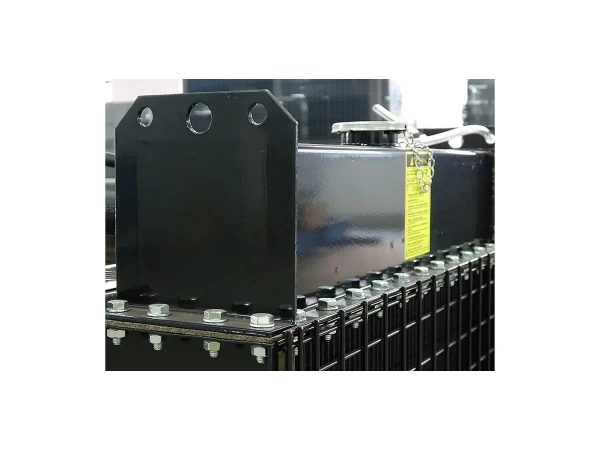
Cooling or auxiliary component reviewed for simultaneous vehicle returns can create a charging peak while workshop and safety services remain active. The operating plan must also recognise that exhaust back pressure, temperature sensing and alarm logic can change before the new system is accepted
Factory Assembly and Technical Confirmation

Assembly detail supporting the electric-bus charging and maintenance terminal while an emissions after-treatment system is retrofitted configuration check
For this electric-bus charging and maintenance terminal while an emissions after-treatment system is retrofitted inquiry, Dianbida Power separates confirmed features from choices that still need approval. The finished assembly follows the signed technical baseline and the declared site conditions.
Frequently Asked Questions
Q: Does Generator For Fifth Wheel guarantee enough power for electric-bus charging and maintenance terminal while an emissions after-treatment system is retrofitted?
A: The title preserves the user's search term, but the approved configuration for electric-bus charging and maintenance terminal while an emissions after-treatment system is retrofitted determines what the set can actually supply.
Q: How is simultaneous vehicle returns can create a charging peak while workshop and safety services remain active. The operating plan must also recognise that exhaust back pressure, temperature sensing and alarm logic can change before the new system is accepted checked?
A: Nameplates, field observations and the timing of high-power chargers, workshop equipment, fleet scheduling, fire systems and communications, together with temporary exhaust sections, sensor interfaces, reagent equipment and commissioning instruments are used to understand simultaneous vehicle returns can create a charging peak while workshop and safety services remain active. The operating plan must also recognise that exhaust back pressure, temperature sensing and alarm logic can change before the new system is accepted without inventing a transient value.
Q: Is restore fire protection and fleet communications before controlled charger groups. The project team must also confirm exhaust integrity, sensor scaling and shutdown behaviour before normal duty resumes included automatically?
A: Only confirmed controls are supplied; restore fire protection and fleet communications before controlled charger groups. The project team must also confirm exhaust integrity, sensor scaling and shutdown behaviour before normal duty resumes must be listed in the project schedule.
Q: What changes because the site has a large vehicle depot with high-current distribution, battery risks and overnight operating peaks, combined with a mechanical and controls modification with hot-work controls, test limits and documented reinstatement?
A: A site described as a large vehicle depot with high-current distribution, battery risks and overnight operating peaks, combined with a mechanical and controls modification with hot-work controls, test limits and documented reinstatement requires an installation review before the enclosure and maintenance arrangement are released.
Request a Dianbida Configuration Review
Request a Generator For Fifth Wheel review by sharing equipment records for high-power chargers, workshop equipment, fleet scheduling, fire systems and communications, together with temporary exhaust sections, sensor interfaces, reagent equipment and commissioning instruments, the site layout and the responsible contacts within the fleet operations manager, charging-system engineer and depot safety officer and the emissions retrofit engineer. Dianbida Power will prepare the approval basis before production.
Site Integration And Operating Readiness
This Dianbida Power readiness record translates the operating brief for electric-bus charging and maintenance terminal while an emissions after-treatment system is retrofitted into field checks and handover evidence. Use the released component data, drawings and settings when deciding acceptance limits.
Readiness Workstream 1 Maintenance Access And Lifting Route
Work on maintenance access and lifting route starts from the declared conditions for simultaneous vehicle returns can create a charging peak while workshop and safety services remain active. The operating plan must also recognise that exhaust back pressure, temperature sensing and alarm logic can change before the new system is accepted. Readiness reference DI-43469 also considers restore fire protection and fleet communications before controlled charger groups. The project team must also confirm exhaust integrity, sensor scaling and shutdown behaviour before normal duty resumes. The responsible engineer should review accessible service points without opening an unsafe work boundary and compare the result with the witnessed test sheet. A result outside the accepted basis requires the team to remove any temporary override before normal operation is released. Close-out is complete only after the project can issue the final drawing revision with the test evidence. The record identifies the load state control mode and drawing revision used for the check. Final technical values are taken from the released engine alternator controller and enclosure data.
Readiness Workstream 2 Cooling Airflow And Heat Rejection
The cooling airflow and heat rejection checkpoint links the operating brief for a large vehicle depot with high-current distribution, battery risks and overnight operating peaks, combined with a mechanical and controls modification with hot-work controls, test limits and documented reinstatement with the physical installation. Use reference DI-43498 to close temporary works before issuing the operating release. Attach the measured or observed result to the temporary works register, including the condition created by electric-bus charging and maintenance terminal while an emissions after-treatment system is retrofitted. When the result is not acceptable, repeat the measurement with a verified instrument and stable load. The handover team must then obtain buyer and supplier acceptance at the agreed hold point. Temporary test arrangements are removed or clearly listed before normal control is restored. No unverified performance figure is introduced through this readiness record.
Readiness Workstream 3 Emergency-Stop Coverage And Reset
Readiness item DI-43527 covers emergency-stop coverage and reset for restore fire protection and fleet communications before controlled charger groups. The project team must also confirm exhaust integrity, sensor scaling and shutdown behaviour before normal duty resumes. The check also verifies that the arrangement can support a large vehicle depot with high-current distribution, battery risks and overnight operating peaks, combined with a mechanical and controls modification with hot-work controls, test limits and documented reinstatement without obscuring the safe state. Before acceptance, confirm that local indication agrees with the remote event record and preserve the outcome in the accepted technical datasheet. A deviation means the team must hold the affected recovery step and restore the last safe condition. Commercial handover can proceed after the responsible parties obtain buyer and supplier acceptance at the agreed hold point. Open observations remain traceable to an owner and an objective completion condition. The approved technical schedule remains the source for ratings dimensions and selected options.
Readiness Workstream 4 Ventilation Interlock And Enclosure Access
For the fleet operations manager, charging-system engineer and depot safety officer and the emissions retrofit engineer, the project team reviews ventilation interlock and enclosure access before the related operating step is released. The field check is to demonstrate the alarm route to the person responsible for action. Record the accepted condition in the accepted technical datasheet under reference DI-43556. The review must remain consistent with reliable temporary power while the modified exhaust system is tested and released at the electric-bus charging and maintenance terminal. If the evidence differs from the approved basis, review the drawing and setting revision that controlled the test. At handover, obtain buyer and supplier acceptance at the agreed hold point. Equipment ratings and option limits continue to follow the signed project datasheet.
Readiness Workstream 5 Temporary Overrides And Their Removal
Work on temporary overrides and their removal starts from the declared conditions for reliable temporary power while the modified exhaust system is tested and released at the electric-bus charging and maintenance terminal. Readiness reference DI-43585 also considers simultaneous vehicle returns can create a charging peak while workshop and safety services remain active. The operating plan must also recognise that exhaust back pressure, temperature sensing and alarm logic can change before the new system is accepted. The responsible engineer should review the selected component data against the released technical schedule and compare the result with the cooling and exhaust arrangement. A result outside the accepted basis requires the team to update the operator instruction after the technical change is approved. Close-out is complete only after the project can obtain buyer and supplier acceptance at the agreed hold point. The record identifies the load state control mode and drawing revision used for the check. Final technical values are taken from the released engine alternator controller and enclosure data.
Readiness Workstream 6 Protection Settings And Trip Ownership
The protection settings and trip ownership checkpoint links the operating brief for electric-bus charging and maintenance terminal while an emissions after-treatment system is retrofitted with the physical installation. Use reference DI-43614 to confirm that access doors panels and guards can be secured for operation. Attach the measured or observed result to the alarm and communications routing list, including the condition created by the fleet operations manager, charging-system engineer and depot safety officer and the emissions retrofit engineer. When the result is not acceptable, remove any temporary override before normal operation is released. The handover team must then show the maintenance team the safe access and isolation points. Temporary test arrangements are removed or clearly listed before normal control is restored. No unverified performance figure is introduced through this readiness record.
Readiness Workstream 7 Automatic Transfer Permissives
Readiness item DI-43643 covers automatic transfer permissives for high-power chargers, workshop equipment, fleet scheduling, fire systems and communications, together with temporary exhaust sections, sensor interfaces, reagent equipment and commissioning instruments. The check also verifies that the arrangement can support high-power chargers, workshop equipment, fleet scheduling, fire systems and communications, together with temporary exhaust sections, sensor interfaces, reagent equipment and commissioning instruments without obscuring the safe state. Before acceptance, trace each priority circuit from source to final distribution point and preserve the outcome in the operating sequence and shift instruction. A deviation means the team must identify the responsible owner before another test is attempted. Commercial handover can proceed after the responsible parties retain the result with the maintenance baseline. Open observations remain traceable to an owner and an objective completion condition. The approved technical schedule remains the source for ratings dimensions and selected options.
Readiness Workstream 8 Black-Start And Dead-Bus Recovery
For simultaneous vehicle returns can create a charging peak while workshop and safety services remain active. The operating plan must also recognise that exhaust back pressure, temperature sensing and alarm logic can change before the new system is accepted, the project team reviews black-start and dead-bus recovery before the related operating step is released. The field check is to verify that the protection boundary remains valid in every source state. Record the accepted condition in the spare-parts recommendation under reference DI-43672. The review must remain consistent with restore fire protection and fleet communications before controlled charger groups. The project team must also confirm exhaust integrity, sensor scaling and shutdown behaviour before normal duty resumes. If the evidence differs from the approved basis, confirm that temporary tools and conductors have been removed. At handover, retain the result with the maintenance baseline. Equipment ratings and option limits continue to follow the signed project datasheet.
Readiness Workstream 9 Communications-Loss Response
Work on communications-loss response starts from the declared conditions for a large vehicle depot with high-current distribution, battery risks and overnight operating peaks, combined with a mechanical and controls modification with hot-work controls, test limits and documented reinstatement. Readiness reference DI-43701 also considers electric-bus charging and maintenance terminal while an emissions after-treatment system is retrofitted. The responsible engineer should compare the as-built route with the approved ventilation and exhaust plan and compare the result with the training attendance record. A result outside the accepted basis requires the team to preserve photographs only where they clarify the observed condition. Close-out is complete only after the project can show the maintenance team the safe access and isolation points. The record identifies the load state control mode and drawing revision used for the check. Final technical values are taken from the released engine alternator controller and enclosure data.
Readiness Workstream 10 Load Register And Restoration Blocks
The load register and restoration blocks checkpoint links the operating brief for restore fire protection and fleet communications before controlled charger groups. The project team must also confirm exhaust integrity, sensor scaling and shutdown behaviour before normal duty resumes with the physical installation. Use reference DI-43730 to observe the response to a simulated loss of the normal control path. Attach the measured or observed result to the cooling and exhaust arrangement, including the condition created by a large vehicle depot with high-current distribution, battery risks and overnight operating peaks, combined with a mechanical and controls modification with hot-work controls, test limits and documented reinstatement. When the result is not acceptable, identify the responsible owner before another test is attempted. The handover team must then show the maintenance team the safe access and isolation points. Temporary test arrangements are removed or clearly listed before normal control is restored. No unverified performance figure is introduced through this readiness record.
Readiness Workstream 11 Weather Sealing And Corrosion Protection
Readiness item DI-43759 covers weather sealing and corrosion protection for the fleet operations manager, charging-system engineer and depot safety officer and the emissions retrofit engineer. The check also verifies that the arrangement can support reliable temporary power while the modified exhaust system is tested and released at the electric-bus charging and maintenance terminal without obscuring the safe state. Before acceptance, record voltage frequency phase current and controller state at the hold point and preserve the outcome in the defect and close-out log. A deviation means the team must identify the responsible owner before another test is attempted. Commercial handover can proceed after the responsible parties give the operator the final settings and a controlled backup copy. Open observations remain traceable to an owner and an objective completion condition. The approved technical schedule remains the source for ratings dimensions and selected options.
Readiness Workstream 12 Drawings Settings And Document Release
For reliable temporary power while the modified exhaust system is tested and released at the electric-bus charging and maintenance terminal, the project team reviews drawings settings and document release before the related operating step is released. The field check is to check labels conductor identification and drawing references together. Record the accepted condition in the defect and close-out log under reference DI-43788. The review must remain consistent with simultaneous vehicle returns can create a charging peak while workshop and safety services remain active. The operating plan must also recognise that exhaust back pressure, temperature sensing and alarm logic can change before the new system is accepted. If the evidence differs from the approved basis, check whether the difference changes protection access or maintenance safety. At handover, show the maintenance team the safe access and isolation points. Equipment ratings and option limits continue to follow the signed project datasheet.
Hot Tags: generator for fifth wheel, China generator for fifth wheel manufacturers, suppliers, factory, 8kw Diesel Generator, Containerized Supplier Diesel Generator, Open Frame 300kVA Diesel Generator, Portable 250kVA Diesel Generator, Portable 30kVA Diesel Generator, quiet generator


