


In the realm of power generation, diesel gensets stand as reliable workhorses, especially when it comes to standby power. As a supplier of diesel gensets for sale, I often receive inquiries about standby power calculations for these essential machines. In this blog post, I'll delve into the intricacies of standby power calculation for diesel gensets, providing you with the knowledge you need to make an informed decision when purchasing.
Why Standby Power Calculation Matters
Standby power is crucial for businesses and homes alike. When the main power grid fails, a properly sized diesel genset can kick in and keep critical systems running. Whether it's a hospital needing to maintain life - support equipment, a data center protecting valuable digital assets, or a home wanting to keep the lights on and the refrigerator running, having the right standby power is non - negotiable.
Calculating the standby power requirement accurately ensures that your diesel genset can handle the load without overloading, which can lead to premature wear and tear, reduced efficiency, and even breakdowns. On the other hand, an oversized genset can be a waste of resources, both in terms of the initial purchase cost and ongoing fuel consumption.
Factors Affecting Standby Power Calculation
Load Types
There are two main types of loads: resistive and inductive. Resistive loads, such as incandescent lights and electric heaters, convert electrical energy directly into heat. These loads are relatively easy to calculate as they have a power factor of 1. Inductive loads, like motors and transformers, require additional power to establish and maintain a magnetic field. They typically have a power factor between 0.7 and 0.9, which means you need to account for this when calculating the total power requirement.
Starting Current
Many inductive loads, especially large motors, require a much higher current to start than to run. This is known as the starting current or inrush current. For example, a motor might require 3 - 7 times its normal running current to start. When calculating standby power, you need to consider the starting current of all the inductive loads in your system to ensure that the genset can handle the initial surge.
Future Expansion
It's also important to consider future expansion when calculating standby power. If you plan to add new equipment or increase your production capacity in the future, you should factor in the additional power requirements. This will prevent you from having to replace the genset prematurely when your power needs grow.
Steps to Calculate Standby Power
Step 1: List All the Loads
Make a comprehensive list of all the electrical equipment that will be powered by the diesel genset during a power outage. Include details such as the name of the equipment, its power rating (in kilowatts or kilovolt - amperes), and whether it is a resistive or inductive load.

Step 2: Determine the Power Factor
For resistive loads, the power factor is 1. For inductive loads, check the equipment specifications or consult the manufacturer to find the power factor. Multiply the power rating of each inductive load by its power factor to get the real power (in kilowatts).
Step 3: Calculate the Starting Current
For inductive loads, determine the starting current. This information can usually be found in the equipment manual or by contacting the manufacturer. Add the starting current of all the inductive loads to the running current of all the loads to get the total starting power requirement.
Step 4: Consider Diversity Factor
The diversity factor takes into account the fact that not all equipment will be running at full capacity at the same time. For example, in an office building, not all computers and lights will be on simultaneously. A typical diversity factor for an office environment might be 0.6 - 0.8. Multiply the total power requirement by the diversity factor to get a more realistic estimate of the standby power needed.
Step 5: Add a Safety Margin
It's always a good idea to add a safety margin of 10 - 20% to the calculated standby power requirement. This will account for any unforeseen circumstances, such as equipment malfunctions or future power increases.
Example Calculation
Let's say you have the following loads in a small factory:
- 5 incandescent lights, each with a power rating of 100 watts (resistive load)
- 2 electric heaters, each with a power rating of 1.5 kilowatts (resistive load)
- 1 motor with a power rating of 5 kilowatts and a power factor of 0.8 (inductive load). The motor has a starting current of 5 times its running current.
- List the loads and calculate the power:
- The total power of the incandescent lights is (5\times0.1 = 0.5) kilowatts.
- The total power of the electric heaters is (2\times1.5 = 3) kilowatts.
- The real power of the motor is (5\times0.8 = 4) kilowatts. The starting power of the motor is (4\times5 = 20) kilowatts.
- Calculate the total running power:
- The total running power is (0.5 + 3+4 = 7.5) kilowatts.
- Calculate the total starting power:
- The total starting power is (0.5 + 3+20 = 23.5) kilowatts.
- Apply the diversity factor:
- Let's assume a diversity factor of 0.7. The adjusted starting power is (23.5\times0.7 = 16.45) kilowatts.
- Add a safety margin:
- Adding a 15% safety margin, the final standby power requirement is (16.45\times(1 + 0.15)=18.9175) kilowatts.
Our Diesel Gensets for Sale
At our company, we offer a wide range of diesel gensets to meet your standby power needs. Here are some of our popular models:
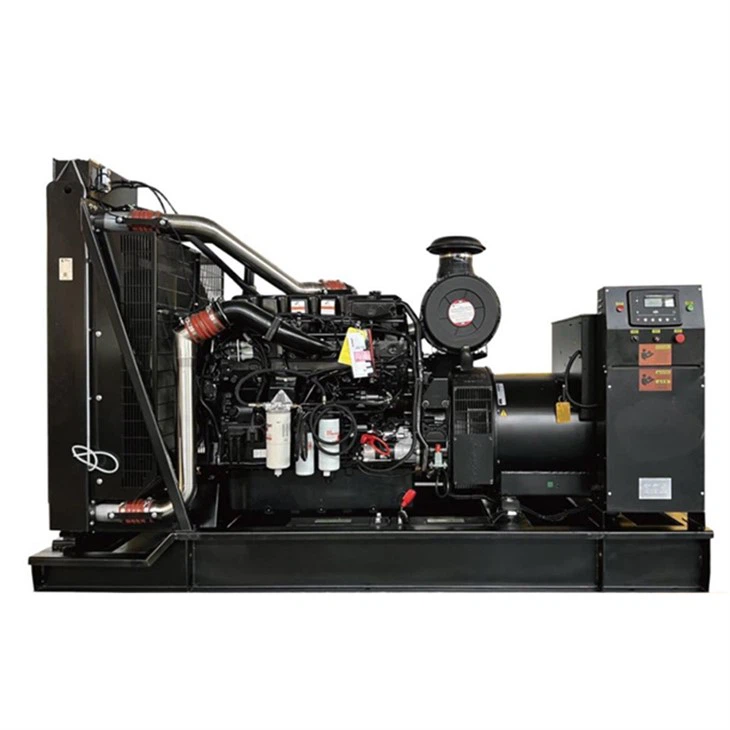
- 400KW Large Diesel Generator: This high - capacity genset is suitable for large industrial applications and can provide reliable standby power during extended outages.
- Cummins Standby Diesel Generators: Cummins is a well - known brand in the power generation industry. Our Cummins standby diesel generators are known for their durability, efficiency, and low maintenance requirements.
- 280KW Diesel Engine Generator: This genset is a great choice for medium - sized businesses that need a reliable source of standby power.
- 420KW Emergency Diesel Generator: Ideal for critical applications such as hospitals and data centers, this emergency diesel generator can provide immediate power when needed.
- Cummins 100kVA Diesel Generator: A compact and efficient option for small businesses and homes, this genset can keep your essential systems running during a power outage.
Contact Us for Purchase and Consultation
If you're in the market for a diesel genset and need help with standby power calculation or have any other questions, we're here to assist you. Our team of experts can guide you through the selection process and ensure that you get the right genset for your specific needs. Whether you're a small business owner, a facility manager, or a homeowner, we have the solution for you.
References
- "Electrical Power Systems Quality" by Roger C. Dugan, Mark F. McGranaghan, and H. Wayne Beaty.
- Manufacturer's manuals for various electrical equipment.