


As a supplier of 6.6kv Diesel Gensets, I've witnessed firsthand the critical role these powerhouses play in various industries. Understanding the factors that affect their performance is crucial for both suppliers and end - users. In this blog, I'll delve into the key elements that can either enhance or hinder the efficiency of a 6.6kv Diesel Genset.
1. Fuel Quality
Fuel is the lifeblood of a diesel genset. The quality of the diesel fuel used can significantly impact the performance of a 6.6kv Diesel Genset. Low - quality fuel may contain impurities such as sulfur, water, and particulate matter. Sulfur can cause corrosion in the engine components over time, leading to reduced efficiency and increased maintenance costs. Water in the fuel can cause injector problems, misfires, and even engine stalling. Particulate matter can clog fuel filters and injectors, disrupting the fuel flow and affecting the combustion process.
To ensure optimal performance, it's essential to use high - quality diesel fuel that meets the manufacturer's specifications. Regular fuel testing and proper storage are also necessary to prevent contamination. For example, fuel should be stored in clean, sealed tanks to avoid water ingress and exposure to dirt.
2. Engine Maintenance
Proper engine maintenance is vital for the long - term performance of a 6.6kv Diesel Genset. Regular oil changes, filter replacements, and inspections can prevent engine wear and tear. The oil in the engine lubricates the moving parts, reduces friction, and helps dissipate heat. Over time, the oil can break down and become contaminated with dirt and debris, losing its effectiveness. Therefore, it's important to change the oil at the recommended intervals.
Air filters play a crucial role in preventing dust and dirt from entering the engine. A clogged air filter can restrict the airflow to the engine, leading to incomplete combustion and reduced power output. Similarly, fuel filters need to be replaced regularly to ensure a clean fuel supply to the injectors.
In addition, the cooling system of the genset should be maintained properly. The radiator and coolant levels need to be checked regularly to prevent overheating. Overheating can cause engine damage and reduce the lifespan of the genset.
3. Load Management
The load applied to a 6.6kv Diesel Genset can have a significant impact on its performance. Running the genset at a consistently high load can cause excessive wear on the engine components. On the other hand, running the genset at a very low load for an extended period can lead to wet stacking. Wet stacking occurs when unburned fuel accumulates in the exhaust system due to incomplete combustion. This can cause carbon deposits on the exhaust valves and reduce the efficiency of the engine.
It's important to match the load requirements with the capacity of the genset. A well - designed load management system can help ensure that the genset operates within its optimal load range. For example, in a facility with variable power demands, a load shedding system can be implemented to reduce the load on the genset during periods of low demand.
4. Environmental Conditions
The environmental conditions in which a 6.6kv Diesel Genset operates can also affect its performance. High ambient temperatures can reduce the density of the air entering the engine, leading to a decrease in power output. In hot climates, the genset may need to be derated to prevent overheating.

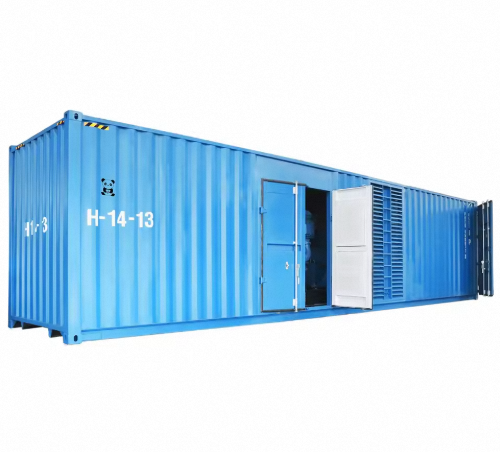
Humidity can also have an impact on the performance of the genset. High humidity can cause corrosion of the engine components and affect the combustion process. In addition, dust and sand in the environment can clog the air filters and reduce the airflow to the engine.
Altitude is another important factor. As the altitude increases, the air density decreases, which can lead to a reduction in power output. Gensets need to be properly calibrated for the altitude at which they will operate to ensure optimal performance.
5. Control System
The control system of a 6.6kv Diesel Genset is responsible for monitoring and regulating the operation of the genset. A modern and reliable control system can improve the performance and reliability of the genset. It can monitor parameters such as engine speed, voltage, frequency, and temperature, and take appropriate actions in case of any abnormalities.
For example, if the engine speed exceeds the set limit, the control system can automatically adjust the fuel supply to bring the speed back to the normal range. Similarly, if the temperature of the engine or the coolant exceeds the safe limit, the control system can trigger an alarm and shut down the genset to prevent damage.
6. Generator Design and Quality
The design and quality of the generator itself are also important factors. A well - designed generator will have efficient windings and a robust construction. High - quality materials and advanced manufacturing processes can ensure the reliability and durability of the generator.
The insulation of the generator windings is crucial. Poor insulation can lead to electrical short - circuits and reduce the efficiency of the generator. In addition, the cooling system of the generator should be designed to effectively dissipate heat, ensuring that the generator operates at a safe temperature.
7. Synchronization and Paralleling
In some applications, multiple 6.6kv Diesel Gensets may be used in parallel to meet the power demand. Synchronization and paralleling of the gensets are critical for their proper operation. When gensets are paralleled, they need to have the same voltage, frequency, and phase angle. Any misalignment can cause circulating currents between the gensets, leading to instability and potential damage.
A proper synchronization system should be installed to ensure that the gensets are connected in parallel smoothly. This system can monitor the electrical parameters of each genset and adjust them as needed to achieve synchronization.
8. Operator Training
The skills and knowledge of the operators can also affect the performance of a 6.6kv Diesel Genset. Well - trained operators are more likely to operate the genset correctly, follow the maintenance procedures, and detect and address any issues promptly.
Operator training should cover topics such as genset operation, maintenance, safety procedures, and troubleshooting. Regular training updates can help operators stay informed about the latest technologies and best practices in genset operation.
In conclusion, the performance of a 6.6kv Diesel Genset is influenced by a variety of factors. By paying attention to fuel quality, engine maintenance, load management, environmental conditions, control system, generator design, synchronization, and operator training, we can ensure that the genset operates at its best. If you're in the market for a reliable 6.6kv Diesel Genset, High Voltage Diesel Generator or even an 11kv Diesel Generator, we are here to help. Contact us to discuss your specific requirements and explore how our gensets can meet your power needs.
References
- Diesel Generator Handbook, various editions
- Manufacturer's manuals for 6.6kv Diesel Gensets
- Technical papers on power generation and diesel engine performance