


If you’re in the market for a diesel generator—whether for a small home backup, a construction site, or a large industrial facility—you’ve likely wondered how the major players stack up. As someone who’s spent over a decade working in the diesel generator manufacturing supply chain, I’ve talked to installers, electricians, and business owners who all ask the same question: “Which brands actually dominate the market, and what does that mean for someone like me looking to buy reliable equipment?” The market share of well-known diesel generator manufacturers isn’t just a number—it’s a reflection of reliability, after-sales support, and how brands adapt to changing demands. In this post, I’ll break down the latest data, share real-world observations from my work, and show how our line of generators fits into this competitive landscape.
First, let’s start with the global market overview. According to recent industry reports, the global diesel generator market is projected to grow at a CAGR of around 4.5% through 2030, driven by increasing demand for backup power in regions with unstable grids, plus ongoing needs in construction, agriculture, and event power. At the top of the market, a handful of legacy manufacturers hold the largest shares, though the landscape is shifting a bit as mid-sized brands gain traction for specialized products. The big names—Caterpillar, Cummins, and Generac—lead the pack, combining long-standing reputations with extensive distribution networks. For context, Caterpillar alone holds roughly 18% of the global industrial diesel generator market, while Cummins is close behind at 16%. Generac, often more associated with residential backup, has carved out a 12% share in the residential and small commercial segments.
What I find interesting, though, is that these numbers don’t tell the whole story. For example, in North America, these three dominate, but in emerging markets like Southeast Asia and Africa, local and mid-sized brands hold more share, thanks to lower price points and tailored products. That’s where our company comes in. We focus on bridging the gap between big-name reliability and accessible pricing, with a range of generators designed for different needs—from small residential setups to medium commercial applications. For anyone looking for a compact option, our compact units, like the 7.5 KVA Generator Diesel, are popular among homeowners who need backup for critical appliances like refrigerators and medical devices. That product has become a staple for customers who don’t want to pay the premium of a big-name brand but still expect consistent performance.
Moving beyond the top three, another key player is MTU, a subsidiary of Rolls-Royce, which focuses heavily on large industrial and marine diesel generators. MTU holds about 10% of the global industrial segment, especially for 1MW and above units used in data centers and large manufacturing plants. For mid-sized operations, brands like FG Wilson (a part of Caterpillar) and Perkins are significant, holding around 8% and 6% respectively. These brands are known for durability in tough conditions, like remote construction sites where maintenance might be limited.
Now, let’s talk about residential and small commercial market share, because that’s where a lot of my day-to-day conversations happen. Generac leads here, with over a quarter of the residential backup generator market in the U.S., thanks to easy installation and smart home integrations. But Cummins and Caterpillar have been pushing into this space too, launching smaller units that match Generac’s features at a slightly higher price. That’s been good for customers, as it drives competition, but it’s also pushed smaller manufacturers like us to step up. Our line includes options like the Generator 220V 10kW, which is sized to power a full home or a small retail space, with features like low noise levels and fuel efficiency that many homeowners and business owners appreciate. We’ve found that customers in this segment are looking for a balance between cost, reliability, and support—and that’s a sweet spot we’ve worked hard to fill.
One trend I’ve noticed over the past five years is the shift towards more fuel-efficient generators, driven by rising fuel costs and environmental regulations. Big brands have responded with technologies like common rail fuel injection, which reduces emissions and improves fuel economy. We’ve invested heavily in this area too, because we know that customers don’t want to deal with high running costs. For example, our 20kw Diesel Power Generator uses advanced engine technology to cut fuel consumption by up to 15% compared to older models, which is a big selling point for small businesses that run generators daily.
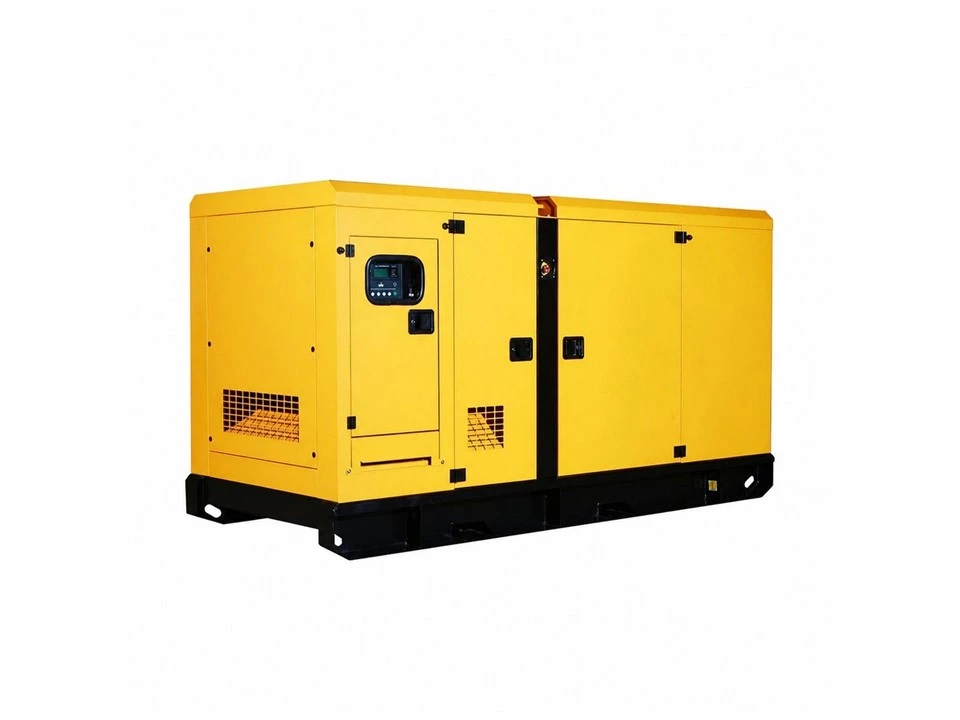
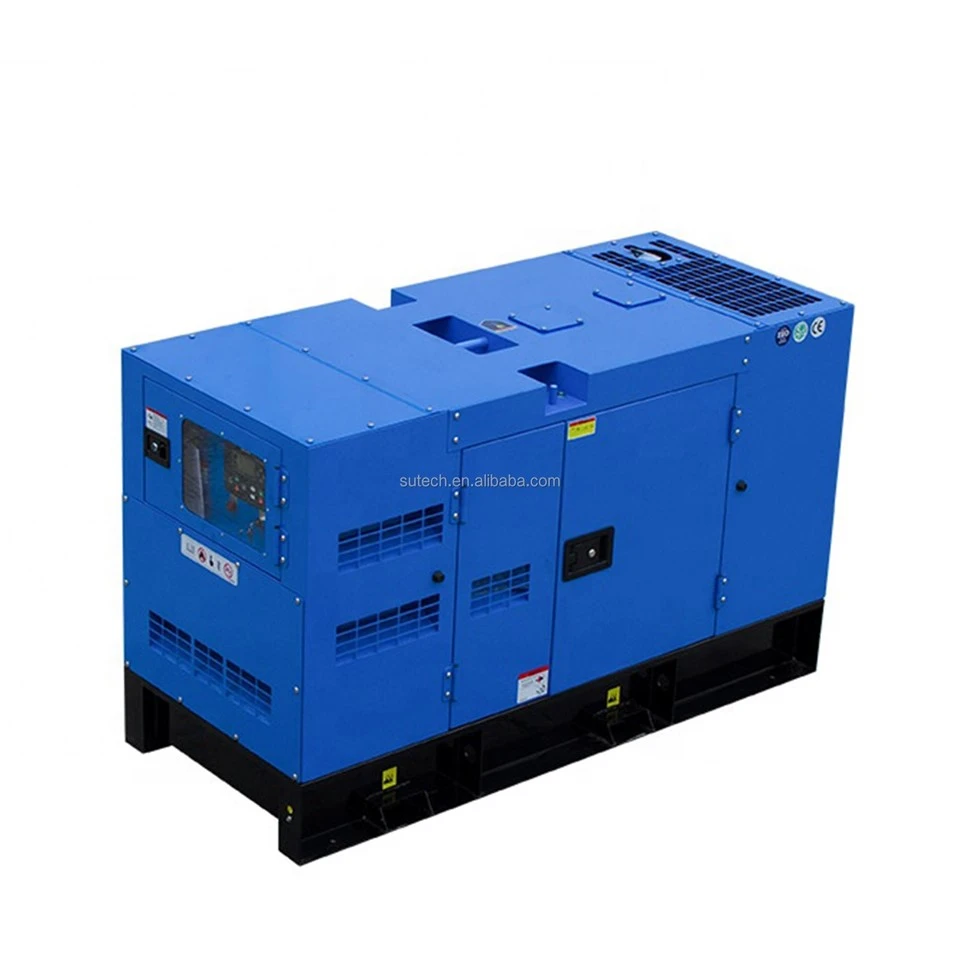
Another factor affecting market share is after-sales support. No generator is maintenance-free, and customers want easy access to parts and service, no matter the brand. The big names have extensive service networks—Caterpillar has over 2,000 service locations globally—but mid-sized brands often struggle here. That’s why we’ve partnered with regional service providers in key markets, ensuring that our customers can get parts and repairs within 48 hours. For customers in rural areas or smaller towns, that level of support can be as important as the generator itself.
Now, let’s talk about specific product segments, because that’s where market share gets really specific. For units under 20kVA, which are mostly residential and small commercial, the top brands are Generac, our company, and Honda. Generac holds around 30% of this sub-segment, but our 12kVA Generator For Sale has been gaining traction in recent years, with many customers choosing it for its compact size and ease of installation. We’ve seen this product become popular among contractors who need to power tools on job sites, as well as homeowners who need backup for a few key systems.
For larger units—above 500kVA—the market is dominated by Caterpillar, Cummins, and MTU, with these three holding almost 70% of the industrial segment. These units are used for data centers, hospitals, and manufacturing facilities, where reliability is non-negotiable. A breakdown here can lead to millions in losses, so customers are willing to pay a premium for the big names’ reputations. That said, even in this space, we’ve had success with custom units tailored to specific industrial needs, like modular generators that can be expanded as a business grows.
I should also mention the impact of recent events on the market. The pandemic and subsequent energy crisis in Europe led to a surge in demand for backup generators, as businesses and homeowners faced grid instability. This spike led to a shortage of components, which affected all manufacturers, but the big names were better able to navigate supply chain issues because of their larger scale. Smaller brands had to adjust production schedules and source alternative parts, which sometimes led to longer lead times. Our company worked closely with our suppliers to diversify our component sources, and we’ve maintained lead times that are competitive with the big names—another point that resonates with customers.
When I talk to customers, one of the biggest misconceptions is that only big-name brands are reliable. While Caterpillar and Cummins have a long track record, many mid-sized manufacturers build generators that meet or exceed industry standards, at a lower cost. We test every unit before it leaves our factory, following ISO 8528 standards for diesel generator performance, which ensures that our products are as reliable as the big names’ for most applications. That’s why our customers often come to us after trying a big-name generator that had high maintenance costs or was overkill for their needs.
Looking ahead, I think the market share landscape will continue to evolve. The push for cleaner energy is leading manufacturers to develop hybrid generators that combine diesel with solar or battery storage, which could disrupt the traditional diesel generator market. The big names are already investing in these technologies, but mid-sized brands that can innovate quickly will also have a chance to gain share. Our company is working on hybrid models that use a small diesel engine paired with lithium-ion batteries, which will reduce fuel use even further—something that should appeal to customers who care about both reliability and environmental impact.
If you’re in the market for a diesel generator, the key is to match the unit size and features to your specific needs, rather than just chasing a big name. Whether you need a small unit for home backup, a medium unit for a small business, or a large unit for industrial use, there are options across all market segments. For example, if you’re a homeowner looking for a reliable, cost-effective unit, our 7.5 KVA Generator Diesel or Generator 220V 10kW are great choices. For a small construction site, our 12kVA Generator For Sale or 20kw Diesel Power Generator offer enough power for tools and lighting, without the extra cost of a larger unit. For industrial needs, we can also work with you to customize a unit that fits your exact requirements, and provide the support you need to keep it running smoothly.
If you’d like to discuss your generator needs in more detail, feel free to reach out to our team for a consultation. We can help you figure out the right size and model for your application, answer any questions about performance or maintenance, and provide a customized quote that fits your budget. Don’t settle for a generator that’s too big, too expensive, or doesn’t meet your needs—let’s work together to find the right solution for you.
References
- Global Diesel Generator Market Size, Share & Trends Analysis Report By Power Rating, By End-Use, By Region, And Segment Forecasts, 2023-2030, Grand View Research
- Industrial Diesel Generator Market Share Report, 2023-2030, MarketWatch
- Residential Backup Generator Market Trends, Growth Opportunities, and Forecasts to 2030, Zion Market Research
- ISO 8528: Reciprocating internal combustion engine driven alternating current generating sets, International Organization for Standardization
- Global Supply Chain Impact on Diesel Generator Manufacturing, 2022 Update, Deloitte