


Can I connect multiple diesel gensets for sale in parallel?
As a supplier of diesel gensets for sale, I often receive inquiries from customers about the possibility of connecting multiple diesel generators in parallel. This is a crucial question, especially for those who need a large amount of power or want to have a backup power system with redundancy. In this blog post, I'll explore the world of parallel - connected diesel gensets, and elaborate on whether it's feasible, the related requirements, and the benefits it brings.
Feasibility of Parallel - Connecting Diesel Gensets
The short answer is yes, multiple diesel gensets can be connected in parallel. However, it's not as simple as just linking them together. Diesel generators are designed to produce alternating current (AC), and when connecting them in parallel, several electrical parameters must match. These parameters include voltage, frequency, phase angle, and waveform.
For voltage, all generators in the parallel system should output the same voltage level. A significant voltage difference can lead to a large circulating current between the generators, which can cause overheating, damage to the generators' windings, and even complete failure of the system. Frequency is another critical factor. The frequency of each generator must be precisely the same, typically 50Hz or 60Hz depending on the region. A frequency mismatch can result in power oscillations and instability in the electrical supply.
Phase angle synchronization is also of utmost importance. The phase angles of the AC voltages from each generator must be identical. If the phase angles are not aligned, current can flow in the wrong direction between the generators, disrupting the power flow and potentially causing equipment damage.
Waveform is the final key parameter. The output voltage waveform of each generator should be sinusoidal and have a similar harmonic content. Non - sinusoidal waveforms or different harmonic contents can cause interference and additional losses in the electrical system.
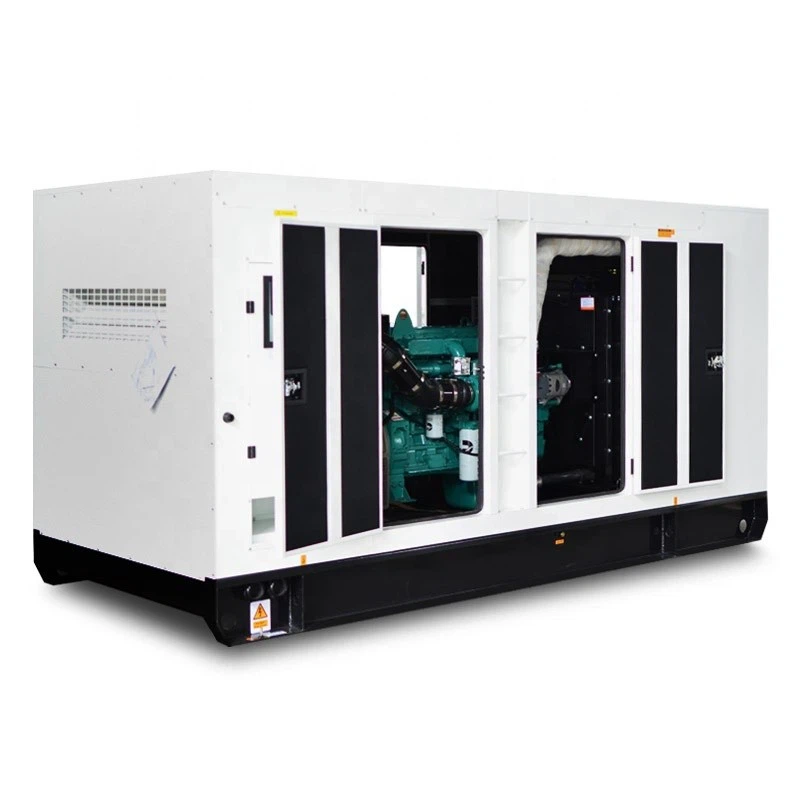

Requirements for Parallel - Connecting Diesel Gensets
To successfully connect multiple diesel gensets in parallel, several requirements need to be met:
1. Generator Compatibility
The generators should be of similar make, model, and rating as much as possible. For example, if you are considering parallel - connecting Cummins generators, it's advisable to use generators from the same product series. Our Cummins 100kVA Diesel Generator is a popular choice, and if you plan to parallel multiple units, make sure they are all of this close - type specification. Similar generators are more likely to have consistent electrical characteristics and can be more easily synchronized.
2. Synchronization Equipment
A synchronization device is essential for ensuring that the generators are connected at the right time when their electrical parameters are in alignment. This device continuously monitors the voltage, frequency, and phase angle of each generator and controls the connection process. There are various types of synchronization equipment available on the market, and choosing a reliable one is crucial for the safe and efficient operation of the parallel - connected system.
3. Load Sharing
Once the generators are connected in parallel, they need to share the load equally. Load - sharing controllers are used to achieve this. These controllers monitor the power output of each generator and adjust the governor settings of the diesel engines to ensure that each generator contributes its fair share of the total load. Without proper load - sharing, one generator may be overloaded while others are underutilized, which can lead to premature wear and failure of the overloaded generator.
4. Protection Systems
A comprehensive protection system is necessary to safeguard the generators and the entire electrical system in case of faults. Over - current protection, over - voltage protection, under - voltage protection, and reverse - power protection are some of the commonly used protection functions. These protection devices can detect abnormal conditions and quickly disconnect the faulty generator from the parallel system to prevent further damage.
Benefits of Parallel - Connecting Diesel Gensets
Connecting multiple diesel gensets in parallel offers several advantages:
1. Increased Power Capacity
One of the most obvious benefits is the ability to increase the total power output. For large industrial facilities, commercial buildings, or construction sites that require a high amount of power, parallel - connecting generators can provide the necessary capacity. For instance, if a single 280KW Diesel Engine Generator is not sufficient, you can connect multiple units to meet the power demand.
2. Redundancy and Reliability
Parallel - connected generators provide redundancy. In case one generator fails, the other generators can continue to supply power, ensuring an uninterrupted power supply. This is especially important for critical applications such as hospitals, data centers, and telecommunications facilities, where even a short power outage can cause significant losses. Our Cummins Standby Diesel Generators are well - suited for such applications. When connected in parallel, they can offer a highly reliable backup power solution.
3. Fuel Efficiency
By using multiple smaller generators in parallel instead of a single large generator, it's possible to improve fuel efficiency. The generators can be started and stopped based on the actual load demand. For light - load conditions, only one or a few generators need to operate, which consumes less fuel compared to running a large generator at a low load. As the load increases, additional generators can be connected to the parallel system to meet the demand.
4. Scalability
Parallel - connected genset systems are scalable. If your power requirements increase in the future, you can simply add more generators to the existing parallel system. For example, if you initially start with two 250KW Diesel Standby Generator units and later need more power, you can install additional generators of the same or compatible type without having to replace the entire power generation system.
Considerations for Parallel - Connected Diesel Gensets
1. Installation and Commissioning
Proper installation and commissioning are crucial for the successful operation of a parallel - connected genset system. It's recommended to have the installation carried out by experienced professionals who are familiar with diesel generator systems and parallel operation. They can ensure that all the electrical connections are correct, the synchronization and load - sharing equipment are properly configured, and the protection systems are working effectively.
2. Maintenance
Regular maintenance is essential for the long - term reliability of parallel - connected diesel gensets. Each generator needs to be maintained according to the manufacturer's recommendations, including oil changes, filter replacements, and engine checks. In addition, the synchronization, load - sharing, and protection equipment also require periodic inspections and calibration to ensure their proper functioning.
3. Initial Investment
The initial investment for a parallel - connected genset system is generally higher than that for a single generator system. This is because of the additional synchronization equipment, load - sharing controllers, and protection systems required. However, the long - term benefits in terms of increased power capacity, redundancy, and fuel efficiency often outweigh the initial cost.
Conclusion
Connecting multiple diesel gensets in parallel is a feasible and beneficial solution for many applications. With the right equipment, proper installation, and regular maintenance, parallel - connected gensets can provide increased power capacity, redundancy, fuel efficiency, and scalability. If you are in the market for diesel gensets and considering a parallel - connected system, our company can provide you with a wide range of high - quality options, such as the 400KW Large Diesel Generator and other relevant models.
If you have any questions about parallel - connected diesel gensets or would like to discuss your specific power requirements, please do not hesitate to contact us for further consultation and procurement negotiations. We are eager to work with you to find the best power solution for your needs.
References
- Diesel Generator Handbook, Second Edition, by James H. Bell
- Electric Power Generation, Transmission, and Distribution, Third Edition, by wildi