


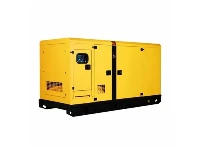
If you’ve ever found yourself weighing the reliability of backup power against the possibility of offsetting energy costs, you’ve likely asked a common question in the generator space: Can a 15kw diesel generator be connected to the grid? As a supplier of these units, I’ve fielded this query dozens of times over the years—most recently from a small business owner in Ohio who wanted to power his bakery’s ovens and refrigeration without paying peak-time utility rates. The short answer is yes, but it’s not as simple as plugging in and flipping a switch. Grid-tie diesel generation is a specialized setup that balances on-site power needs, utility regulations, and equipment safety, and it’s critical to understand the nuances before moving forward.
First, let’s ground this in how grid-tie systems work, because the core principle applies regardless of generator size. Grid-tie systems, also called grid-parallel systems, allow a generator to produce power that’s either used immediately on-site, sent back to the utility grid, or a mix of both, rather than operating in the standalone “island” mode most people associate with backup generators. For a 15kw unit—sized well above entry-level models like the 8kW Diesel Generator Price options we carry—this capacity hits a sweet spot for small commercial properties, multi-unit residential buildings, and farms. A 15kw generator can handle the average on-site load for these spaces (think 10-12 kw of continuous use) with enough headroom for peak loads like a fridge kicking on or a small air conditioner cycling. That means when the grid is stable, you can feed excess power back, and when grid power drops, the generator switches seamlessly to backup mode to keep critical loads running.
But here’s the first big caveat: not all 15kw diesel generators are built for grid-tie use. Most standard portable or standby generators are designed solely for island mode, meaning they can only power their own loads without connecting to the utility grid. This is because they lack the specialized syncing and safety equipment required to parallel with the grid. Grid-tie capable generators (including our line of 15kw models) have three key features that make grid connection possible. First, a synchronous alternator, which produces AC power that matches the grid’s frequency (60 Hz in North America, 50 Hz in most of Europe) and voltage within a fraction of a percentage—if the generator’s output is off by even a little, it can damage utility equipment or create a safety hazard for line workers. Second, a grid-tie inverter or controller, which acts as the brain that aligns the generator’s power with the grid’s parameters. Third, mandatory safety interlocks that automatically shut down the generator if the grid goes down. This is called anti-islanding protection, and it’s non-negotiable for utility compliance. If a generator kept running during a grid outage, it could send power back to repairs crews working on lines, leading to life-threatening accidents.
Now, let’s talk about sizing and compatibility because a 15kw unit isn’t a one-size-fits-all solution. First, you need to calculate your total on-site load to ensure a 15kw unit is a good fit. For a small bakery, that might include 8kw of ovens, 2kw of refrigeration, and 3kw of lighting—adding up to 13kw, leaving 2kw of headroom for peaks. For a 3,000 sq ft home, that could be 10kw for appliances, HVAC, and well pumps, leaving 5kw of headroom. It’s important to note that grid-tie systems for diesel generators aren’t as common as solar grid-tie, so you’ll also need to check your utility’s interconnection rules. Some utilities have strict limits on how much on-site generation you can connect to the grid without a formal review, especially for commercial properties. For example, utilities in some states require any generator over 10kw to go through a full interconnection application process to ensure it meets grid stability standards. A 15kw unit falls into that category, so don’t skip this step.
Another factor to consider is parallel capacity. If you need more power than 15kw alone can provide, you can pair two grid-tie capable generators in parallel to increase output. For example, pairing two 15kw units gives you 30kw, which covers loads for larger commercial spaces. Our product line includes options for higher capacities too, like the Generac 30kW Diesel Generator, which is a great fit for mid-sized retail spaces or small farms that need more than 15kw. If you’re looking for smaller backup or grid-tie capacity, we also carry the Generator 220V 10kW, which is a popular choice for homes looking to offset a portion of their monthly utility bills. For even larger commercial or industrial applications, we have the 1500kw Diesel Generator, designed for facilities with extremely high power demands.
When it comes to installation, working with a licensed electrician who has experience with grid-tie diesel systems is non-negotiable. A qualified professional will ensure your setup complies with local electrical codes (like the National Electrical Code in the U.S.), installs the required interconnection meter that tracks power sent to and from the grid, and verifies that all safety interlocks are functioning correctly. Skipping professional installation is a risk—poorly aligned generator power can cause grid instability, damage your appliances, or even trigger utility fines for unsafe interconnection. I’ve seen this happen first-hand with a customer who tried to install a 15kw generator himself; he skipped the anti-islanding switch and had to pay a $5,000 fine to his utility when a line worker was injured during an outage.
Now, let’s address a common myth: grid-tie diesel generators are only for off-grid properties. While they’re a great solution for off-grid spaces, they’re also ideal for grid-tied properties looking to reduce energy costs. How? Most utilities offer net metering programs, which credit you for every kilowatt-hour of power you send back to the grid. During off-peak hours (like midday when commercial facilities are empty), your 15kw generator can produce power to charge, and you’ll earn credits on your utility bill. During peak hours (like early evening when everyone is using power), you can draw from the grid, offsetting your costs. This is especially beneficial for properties with high and consistent load demands, which is where a 15kw diesel generator shines more than smaller units like the 8kW Diesel Generator Price options that only cover very light loads.


Of course, there are trade-offs to consider. Diesel generators require regular maintenance (oil changes, filter replacements, fuel storage) and have higher upfront costs than standalone generators. They also run on fossil fuels, so some properties may prefer cleaner energy sources like solar. But for areas with unreliable grid power, or properties that need consistent power for critical loads (like a hospital or grocery store), grid-tie diesel generators offer a reliable, cost-effective backup and power offset solution.
If you’re considering connecting your 15kw diesel generator to the grid, start by evaluating your load needs and checking with your utility’s interconnection rules. As a supplier, we work with customers every step of the way, helping them choose the right size unit, whether that’s a 15kw for small commercial use, or a larger model like the Generac 30kW Diesel Generator if your needs grow. We also provide guidance on finding qualified installers and understanding net metering programs in your area. If you’re ready to explore how a grid-tie diesel generator can work for your property, reach out to our team to discuss your specific needs and get a customized quote.
References
- National Electrical Code (NEC) Article 705: Interconnected Distributed Energy Resources
- U.S. Department of Energy, Office of Energy Efficiency and Renewable Energy: Grid-Connected Distributed Generation Guidelines
- International Electrotechnical Commission (IEC) Standard 62116: Test Procedure for Islanding Detection of Grid-Connected Photovoltaic Inverters
- North American Electric Reliability Corporation (NERC): Interconnection Requirements for Distributed Energy Resources