


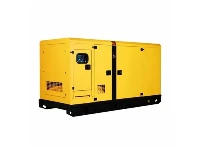
If you’re a boat owner, marine technician, or even someone running a small coastal off-grid operation, you’ve probably found yourself Googling “Can a 15kw diesel generator be used in a marine environment?” more than once. I’m not here to give you a vague yes/no answer—let’s break this down like we’re chatting over a cup of coffee at a marina, no stuffy engineering jargon unless it’s necessary. As someone who’s been selling 15kw diesel generators for years, I’ve answered this question so many times I could recite it in my sleep, but there’s way more to it than just the power rating.
First off, let’s get one thing straight: a standard 15kw diesel generator built for land use won’t cut it for marine environments. Land generators are made for smooth, stable concrete pads, dry air, and consistent cooling. Marine environments? They’re brutal—salt air, humidity, constant vibration from waves, occasional exposure to spray or even being submerged for short stints if you hit a rough patch. But wait, that doesn’t mean a 15kw unit is useless on a boat. It just has to be purpose-built for marine use, not the one you’d hook up to your backyard cabin.
Let’s start with the basics: what does a 15kw diesel generator actually do on a boat? Most recreational boats have power needs that fall right in that sweet spot. A 40-foot sailboat, for example, runs a fridge, water heater, navigation system, battery charger, and maybe an air conditioner—all of that adds up to roughly 12-14kw of demand. A 15kw unit has enough headroom to handle startup surges (that’s the extra power you need when an AC kicks on, for example) without straining. If you’re running a larger boat, you might need something bigger, like a 30kw Diesel Generator, but for mid-sized vessels, 15kw is perfect.
Now, the big question: why can’t you just grab a land-based 15kw generator and take it boating? Let’s talk about the differences that matter. First, corrosion. Salt air is basically metal’s kryptonite. Land generators have basic rust protection, but marine units use galvanized steel frames, coated engine parts, and sealed electrical components to fight that salt. A land unit’s alternator, for example, might have vents that let salt air seep in, corrode the windings, and leave you with a dead generator halfway through a voyage. Second, cooling. On land, air flows nice and cool through the radiator. On a boat, you’re dealing with uneven air flow, maybe even being submerged in water if you’re in heavy seas. Marine generators use closed-loop cooling systems that separate engine coolant from seawater, so you don’t have to worry about salt water gumming up the engine. Land generators usually use open-loop cooling, which would turn your engine into a saltwater block in no time.
Then there’s installation. Even if you get a marine-grade 15kw generator, you can’t just bolt it anywhere. Boats have limited space, so you need a unit that’s compact and designed to reduce vibration—vibration isn’t just annoying, it can loosen wiring, crack hoses, and damage your boat’s structure over time. I’ve seen people try to mount a standard land generator in a boat’s engine bay, and within a year, they had to replace half the electrical system. Marine 15kw units are built with vibration isolation mounts, so they run smoother and don’t damage your vessel.
Wait, but what about portable vs. permanently mounted? A lot of people with smaller boats might look at a portable 15kw diesel generator and wonder if that works. Portable units are cheaper, but they’re not made for constant use in a marine environment. They’re fine for emergency power on a dock, but if you’re heading out for a weeklong cruise, a permanent marine-grade 15kw unit is the way to go. It’s integrated into your boat’s electrical system, has fuel tanks sized for long voyages, and meets coast guard safety standards for things like fire prevention and fuel containment.
I should also mention power quality. On a boat, you don’t have the grid’s consistent power, so your generator needs to provide clean electricity to protect sensitive electronics—navigation systems, fish finders, even your fridge’s digital controls. Marine 15kw generators are equipped with automatic voltage regulators (AVRs) that adjust for fluctuations, so you won’t get surges that fry your expensive gear. Land generators might not have that level of precision, which is a big problem on a boat where every piece of electronics matters.
Now, let’s talk about some common mistakes I see customers make. First, buying a generator that’s too small. I’ve had people come to me thinking a 10kw unit would work for their 45-foot boat, only to find out they can’t run the AC and water heater at the same time. A 15kw is the minimum for that size, and if you have extra devices like a washer/dryer, you might even look at something a bit bigger. On the flip side, buying a unit that’s too big wastes fuel—smaller vessels don’t need the extra power, and a larger generator will run less efficiently at partial load, costing you more in fuel over time.
Another mistake: not considering emissions. Marine environments have strict emissions rules, especially in coastal areas and inland waterways. A standard land diesel generator might not meet those regulations, leading to fines or having your generator shut off. Marine 15kw units are designed with low-emission engines that comply with EPA and international marine standards, so you don’t have to worry about that. If you’re looking for smaller units for tenders or smaller boats, check out the Dg 5kVA Price for compact, compliant options, though they’re obviously too small for your main vessel.
Wait, what about gensets used for commercial marine applications? Like fishing boats or small charter boats? A 15kw diesel generator works great there too. Fishing boats might have extra equipment like depth sounders, winches, and refrigeration for catch, and a 15kw can handle all that. Plus, commercial operators need reliable power that doesn’t break down mid-trip—marine-grade units are built for heavy use, so they’re more durable than land counterparts.
Let’s also touch on maintenance. A marine 15kw generator has a slightly different maintenance schedule than a land unit. You’ll need to check the corrosion protection regularly, flush the cooling system with fresh water after every voyage (to remove salt residue), and replace salt-resistant filters. It’s not hard, but it’s a step you don’t have to do with a land generator. That said, the peace of mind of knowing your generator is ready when you need it far outweighs the extra maintenance.
I know some of you might be thinking, “Why not just use a portable generator connected to shore power?” Well, shore power is great when you’re at a dock, but if you’re anchored out in a remote cove, you need your own generator. A marine 15kw unit is designed for that off-grid use, so you don’t have to run extension cords from shore (which are a tripping hazard and can be damaged by salt water).
Now, let’s clear up a myth: some people think diesel generators are too heavy for boats. Modern 15kw marine diesel generators are actually pretty light—way lighter than older models. A typical unit is around 300-400 lbs, which is manageable even for mid-sized boats. If you’re concerned about weight, you can look into compact models, though keep in mind that you don’t want to sacrifice durability for size.
What about buying a used unit? I don’t recommend it for marine use. A used generator might have hidden corrosion or worn parts that only show up when you’re out at sea. It’s worth spending a bit more on a new marine-grade 15kw generator, because it comes with a warranty and you know it’s built to handle marine conditions. If you’re on a budget, check out deals on certified refurbished units from reputable suppliers, just make sure they’re marine-grade, not land-based.
If you’re still on the fence about whether a 15kw diesel generator is right for your boat, let’s break it down by vessel size. Recreational boats under 40 feet: a 15kw is more than enough. Yachts over 50 feet: you’ll probably need two 15kw units or something like a 30kw Diesel Generator if you only want one. Commercial vessels: 15kw is a solid choice for smaller workboats, as I mentioned earlier.
I should also mention fuel efficiency. A marine-grade 15kw diesel generator is way more fuel-efficient than a portable unit running on gas. Diesel has a higher energy density, so you’ll get more hours of run time per gallon, which is crucial for long voyages. A 15kw marine unit can run for 8-10 hours on a single tank, depending on the load, which is way better than a gas portable that might run for half that.


Wait, what about noise? On a boat, noise matters—you don’t want a generator that’s so loud it ruins your quiet anchorage. Marine 15kw units are designed with sound-dampening enclosures, so they run quieter than land generators. A portable unit might be fine for a backyard, but at sea, that noise can be annoying to you and your neighbors at nearby anchorages. If you’re looking for a smaller, quieter option for backup, the Generac Diesel Generator 10kW is a solid backup, though it’s a bit smaller than what most mid-sized boats need as their main power source.
Let me wrap this up. So, can a 15kw diesel generator be used in a marine environment? The short answer is yes—if it’s a purpose-built marine-grade unit, not a land-based one. It’s perfect for mid-sized recreational boats and small commercial vessels, it’s fuel-efficient, reliable, and meets the needs of most people who spend time on the water. The key is to avoid the common mistakes: don’t use a land generator, don’t buy one that’s too small or too big, and make sure it meets emissions and safety standards.
If you’re in the market for a 15kw marine diesel generator, or you’re not sure what size is right for your boat, don’t hesitate to reach out. We’ve helped hundreds of boat owners pick the right generator, and we can walk you through installation, maintenance, and everything else you need to know to keep your power running smoothly on the water. Whether you’re a first-time boat owner or a seasoned captain, we’re here to make sure you get the right unit for your needs.
References
- US Environmental Protection Agency. (2022). Marine Diesel Engine Emissions Standards. Retrieved from epa.gov
- International Organization for Standardization. (2021). Standard for Marine Diesel Generators (ISO 8528-13).
- National Marine Manufacturers Association. (2023). Marine Generator Installation and Best Practices Guide.
- Society of Marine Engineers. (2022). Corrosion Resistance Requirements for Marine Electrical Equipment.