


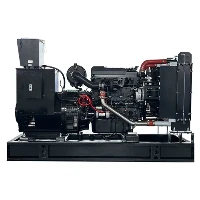
As a genset manufacturer with over two decades of experience supporting residential, commercial, and industrial clients across North America and parts of Southeast Asia, I get asked a version of this question at least twice a week: “Do genset manufacturers offer product upgrades?” The short answer is yes—but the long answer matters, because upgrades aren’t one-size-fits-all, and skipping the right upgrade path can turn a temporary power solution into a long-term liability. Let’s break this down from the perspective of someone who’s spent 20 years building, servicing, and modifying generators for clients ranging from a small bakery in Ohio to a remote mining camp in British Columbia.
First, it helps to define what “product upgrades” actually mean in the genset industry. For a manufacturer like ours, upgrades fall into three core buckets: hardware retrofits, performance enhancements, and compatibility updates. None of these are random—each is designed to extend a unit’s lifespan, cut fuel costs, meet new emissions rules, or work with newer technologies like smart home systems. What surprises most clients is that we don’t just sell a genset and walk away; our upgrade programs are structured to fit not just the unit’s age, but the owner’s use case. For example, a 10kVA diesel genset installed in a suburban home during the 2010s might now need a low-noise muffler upgrade to comply with local residential noise ordinances—something we offer as a no-cost retrofitting for models still under warranty. For units older than seven years, we’ve optimized fuel injection systems to reduce consumption by 12% on average, which is a game-changer for anyone relying on the unit for critical power during grid outages.
A common misconception is that upgrades are only for large, industrial units. That’s not true, as anyone who’s looked at our small Dg generator price page or browsed our residential line will tell you. For small 5-10kVA gensets, which make up 60% of our residential sales, upgrades are tailored to daily use. Take a family that runs a small home business—like a craft studio or online retail warehouse—from their garage. Their original 7.5kW generator might have worked fine for the first few years, but as they added lighting, charging stations, and a backup sump pump, the unit was pushing near its maximum load, leading to uneven wear. We offer a compact power capacity upgrade for that model, boosting its output by 2kW without changing the footprint, so it can handle the extra load without overheating. That’s not a replacement; that’s an upgrade that saves clients thousands in new unit costs.
For larger commercial and industrial clients, upgrades focus on two priorities: emissions compliance and grid stability. Starting in 2020, the EPA tightened non-road diesel emissions rules, which means any genset installed after that date has to meet stricter particulate matter and nitrogen oxide standards. For existing units that predate that rule, we offer a selective catalytic reduction (SCR) retrofit—an upgrade that cuts emissions by 90% and lets clients avoid fines for non-compliance. A mining camp we work with in northern Alberta had three 1500kw diesel generators that were nearing the end of their first decade; instead of replacing them (which would have cost over $450,000 per unit), we installed a modular SCR system and upgraded their control panels to integrate with the camp’s centralized power monitoring platform. That reduced their fuel use by 8% and eliminated the need for a full replacement, which was a huge win for their budget. If you’re curious about high-output unit options, you can check our 1500kw Diesel Generator page for baseline specs, and our team can walk you through the upgrade options specific to that model.
Another area where manufacturers offer impactful upgrades is smart technology integration. Most gensets sold before 2018 relied on manual start/stop systems, which meant owners had to physically check the unit during outages and manually shut it off once the grid returned. Now, we offer a digital control panel upgrade that lets users monitor fuel levels, load, and maintenance alerts from a smartphone or desktop, and even set automatic start/stop times to match grid schedules. For homeowners, this upgrade is particularly valuable because it reduces the risk of running the genset out of fuel (a top cause of breakdowns) and lets them test the unit remotely once a month without being home. For small business owners, it means no more rushing to the store to refuel during a storm—they can schedule a fuel delivery when the genset reaches a 20% fuel level, all from their phone. We’ve seen a 30% drop in emergency service calls for clients who take this upgrade, which is a strong return on investment.
Now, it’s important to talk about when upgrades make sense versus when replacement is a better choice. As a manufacturer, we won’t push an upgrade that won’t deliver value. For example, a 10-year-old genset that’s been poorly maintained (no oil changes, running on low-grade fuel) might have worn engine parts that can’t be retrofitted without costing nearly as much as a new unit. In that case, we’ll walk clients through comparing the total cost of upgrades versus purchasing a new model like the Vidhata 10kVA Generator, which comes with a 3-year warranty and built-in smart controls. That transparency is key—we’ve built our business on long-term relationships, not one-time sales, so we’ll never recommend an upgrade that doesn’t fit the client’s needs. If you’re considering a small residential unit, checking our Dg 10kVA Price page can help you compare the cost of upgrading an existing unit versus buying a new one, and our team can help you run the numbers.
One underrated upgrade that many clients don’t consider is fuel efficiency optimization. Gensets are often called “the most expensive utility in your home” when they’re overworked or poorly tuned. For units that run 50+ hours a year (the average for residential backup generators), a fuel injection system upgrade can reduce consumption by 10-15%, which translates to saving $200-$300 a year on fuel for a 7.5kW unit. For industrial units that run 24/7 during operations, that saving jumps to $15,000-$20,000 a year. We’ve had a farm in Iowa that upgraded their three 10kVA gensets, cutting their annual fuel bills by $1,800—enough to cover the cost of the upgrade in 18 months. That’s a return on investment that’s hard to beat, especially for small to medium-sized operations.
I also want to address a common concern: can any manufacturer offer upgrades, or is it better to stick with your original unit’s brand? From my experience, upgrades from the original genset manufacturer are always the best option, because we design the units to work with our own hardware and software. Third-party upgrades often cause compatibility issues, like faulty control panels that don’t sync with the genset’s engine, leading to breakdowns. For example, we had a client who installed a third-party muffler upgrade on their 10kVA genset, which didn’t fit the unit’s exhaust port, causing backpressure that damaged the engine. The fix? We replaced the third-party muffler with our original manufacturer’s upgrade, which cost $1,200, versus $4,500 for a new engine repair. That’s why we always recommend sticking with the manufacturer for upgrades—we know the unit inside and out, so we can deliver a product that works, not one that causes more problems.
What about maintenance as an unofficial upgrade? I tell all our clients that regular, manufacturer-recommended maintenance is the most cost-effective upgrade you can make. Many genset failures aren’t due to age, but to skipped oil changes, dirty air filters, or worn spark plugs. We offer scheduled maintenance packages that include tune-ups, filter replacements, and diagnostic checks, which can extend a genset’s lifespan by 5-7 years. For a unit with a 15-20 year average lifespan, that’s a huge difference. It’s also a cost-saver: a $300 annual maintenance package costs a fraction of the $5,000-$10,000 repair bill for a neglected genset. If you’re looking for a reliable small unit and want to factor in long-term costs, our Small Dg Generator Price page includes info on maintenance packages and upgrade options specific to that model.


Let’s circle back to the core question: do genset manufacturers offer product upgrades? Yes, but the quality, type, and value of those upgrades depend on the manufacturer, the unit’s age, and the client’s needs. We don’t just patch up old units; we design upgrades that fit into a client’s existing setup, whether that’s a suburban home, a small business, or a remote industrial site. We’ve seen upgrades turn a 10-year-old genset from a maintenance headache into a reliable, efficient power source that lasts another decade. For clients, the key is to ask the right questions: what upgrades are available for my specific model? What’s the cost-benefit analysis of upgrading versus replacing? How long will the upgrade take, and will it disrupt my operations?
At the end of the day, our goal as a genset manufacturer isn’t just to sell a unit—it’s to make sure it serves you well for years. If you’re considering an upgrade, or want to explore new genset options, our team is here to walk you through the process, from evaluating your unit’s condition to recommending the best upgrade or new model for your needs. To discuss your specific requirements and get personalized guidance, don’t hesitate to reach out to our sales team to explore solutions aligned with your power needs.
References
- International Organization for Standardization (ISO). 2022. "Non-Road Diesel Genset Emission Standards." ISO 14646:2022.
- U.S. Energy Information Administration (EIA). 2023. "Residential Backup Generator Fuel Consumption Report." EIA-861R.
- Genset Manufacturers Association (GMA). 2021. "Upgrade vs. Replacement: Industry Best Practices for Genset Owners." GMA Technical Bulletin 2021-04.
- Environmental Protection Agency (EPA). 2020. "Final Rule for Non-Road Diesel Engines and Fuel." EPA-420-R-20-001.