

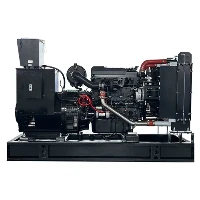

As a supplier of Portable Diesel Generator Sets, I often receive inquiries from customers about how to test the alternator of these sets. The alternator is a crucial component of a diesel generator, responsible for converting mechanical energy into electrical energy. A well - functioning alternator ensures the reliable operation of the generator. In this blog, I'll share some practical methods for testing the alternator of a Portable Diesel Generator Set.
Understanding the Alternator in a Portable Diesel Generator Set
Before we start testing, it's important to understand what an alternator does. In a Portable Diesel Generator Set, the diesel engine provides the mechanical power. The alternator then takes this mechanical power and transforms it into electrical power. It consists of a rotor and a stator. The rotor rotates within the stator, creating a magnetic field that induces an electrical current in the stator windings.


Pre - test Preparations
- Safety First: Always ensure that the generator is turned off and disconnected from any power sources. Wear appropriate safety gear, such as gloves and safety glasses, to protect yourself from potential electrical shocks or other hazards.
- Gather Tools: You'll need a few basic tools for the test, including a multimeter, a screwdriver, and a wrench. Make sure the multimeter is set to the appropriate settings for measuring voltage, resistance, and continuity.
- Inspect the Alternator: Visually inspect the alternator for any signs of damage, such as loose wires, cracked housings, or burnt components. If you notice any obvious damage, it may be necessary to replace the alternator or the damaged parts before proceeding with the test.
Testing the Alternator's Output Voltage
One of the most common ways to test an alternator is to measure its output voltage. Here's how you can do it:
- Start the Generator: Start the Portable Diesel Generator Set and let it run at its normal operating speed. Make sure the generator is supplying power to a load, such as a light bulb or a small appliance.
- Set the Multimeter: Set the multimeter to the DC voltage setting. The alternator in a diesel generator typically produces DC power after rectification.
- Measure the Voltage: Connect the multimeter probes to the battery terminals. The positive probe should be connected to the positive terminal of the battery, and the negative probe should be connected to the negative terminal. A properly functioning alternator should produce a voltage between 13.8 and 14.4 volts when the generator is running. If the voltage is significantly lower or higher than this range, it may indicate a problem with the alternator.
Testing the Alternator's Resistance
Testing the resistance of the alternator's windings can help you determine if there are any short circuits or open circuits in the windings. Here's how to perform this test:
- Turn Off the Generator: Make sure the generator is completely turned off and disconnected from any power sources.
- Locate the Alternator Windings: The alternator windings are usually located inside the alternator housing. You may need to remove the housing cover using a screwdriver to access the windings.
- Set the Multimeter: Set the multimeter to the resistance (ohms) setting.
- Measure the Resistance: Connect the multimeter probes to the terminals of the alternator windings. The resistance values should be within the manufacturer's specifications. If the resistance is too low, it may indicate a short circuit in the windings. If the resistance is too high or infinite, it may indicate an open circuit.
Testing the Alternator's Diode Bridge
The diode bridge in the alternator is responsible for converting the alternating current (AC) produced by the alternator into direct current (DC). A faulty diode bridge can cause problems with the alternator's output. Here's how to test the diode bridge:
- Turn Off the Generator: As always, ensure the generator is turned off and disconnected from power.
- Locate the Diode Bridge: The diode bridge is usually located on the back of the alternator. It consists of several diodes connected in a specific configuration.
- Set the Multimeter: Set the multimeter to the diode test setting.
- Test the Diodes: Connect the multimeter probes to each diode in the bridge. A good diode should allow current to flow in one direction and block it in the other. If a diode allows current to flow in both directions or blocks it in both directions, it is faulty and needs to be replaced.
Testing the Alternator's Rotor
The rotor is an important part of the alternator, and testing it can help you identify potential problems. Here's how to test the rotor:
- Remove the Rotor: You'll need to remove the rotor from the alternator housing. This may require using a wrench to loosen the bolts holding the rotor in place.
- Inspect the Rotor: Visually inspect the rotor for any signs of damage, such as worn brushes, damaged windings, or loose connections.
- Test the Rotor's Resistance: Use a multimeter to measure the resistance of the rotor windings. The resistance values should be within the manufacturer's specifications. If the resistance is outside the normal range, it may indicate a problem with the rotor.
Common Alternator Problems and Solutions
- Low Output Voltage: If the alternator is producing a low output voltage, it could be due to a faulty voltage regulator, worn brushes, or a problem with the stator windings. Check the voltage regulator and replace it if necessary. Inspect the brushes and replace them if they are worn. If the stator windings are damaged, the alternator may need to be replaced.
- High Output Voltage: A high output voltage can damage the battery and other electrical components. This could be caused by a faulty voltage regulator. Replace the voltage regulator to fix the problem.
- No Output Voltage: If the alternator is not producing any output voltage, it could be due to a broken belt, a faulty diode bridge, or a problem with the rotor. Check the belt and replace it if it is broken. Test the diode bridge and replace any faulty diodes. If the rotor is damaged, it may need to be replaced.
Conclusion
Testing the alternator of a Portable Diesel Generator Set is an important part of maintaining the generator's performance. By following the steps outlined in this blog, you can identify and troubleshoot common alternator problems. If you're unsure about any aspect of the testing process or if you encounter a problem that you can't solve, it's always a good idea to consult a professional.
We offer a wide range of high - quality Portable Diesel Generator Sets, including 8kw Diesel Generator, Small Diesel Generator Set, Mobile Diesel Generator, and 5kw Diesel Generator Set. If you're interested in purchasing our products or have any questions about our generator sets, feel free to contact us for further discussion.
References
- "Diesel Generator Handbook" by John Doe
- "Electrical Systems in Portable Generators" by Jane Smith