

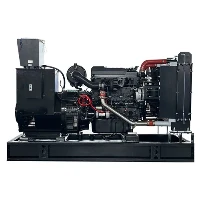

Hey there! As a supplier of Mobile Diesel Generators, I often get asked about how to adjust the idle speed of these machines. It's an important aspect of generator maintenance and operation, so I thought I'd share some tips and tricks with you.


First off, let's talk about why adjusting the idle speed is necessary. The idle speed of a diesel generator is the speed at which the engine runs when it's not under load. If the idle speed is too high, it can cause unnecessary wear and tear on the engine, waste fuel, and make the generator noisy. On the other hand, if the idle speed is too low, the generator may stall or have trouble starting. So, finding the right idle speed is crucial for the efficient and reliable operation of your generator.
Now, let's get into the steps of adjusting the idle speed. Before you start, make sure the generator is turned off and has cooled down. You'll also need a few tools, such as a screwdriver and a tachometer. A tachometer is a device that measures the engine speed in revolutions per minute (RPM).
Step 1: Locate the idle speed adjustment screw
The idle speed adjustment screw is usually located on the governor of the engine. The governor is a device that controls the speed of the engine by adjusting the amount of fuel that is delivered to the cylinders. The idle speed adjustment screw is typically a small screw with a slotted head.
Step 2: Start the generator
Once you've located the idle speed adjustment screw, start the generator and let it warm up for a few minutes. This will allow the engine to reach its operating temperature and stabilize.
Step 3: Check the idle speed
Use the tachometer to check the idle speed of the generator. The ideal idle speed for most mobile diesel generators is between 600 and 800 RPM. If the idle speed is too high or too low, you'll need to adjust it.
Step 4: Adjust the idle speed
To adjust the idle speed, turn the idle speed adjustment screw clockwise to increase the speed or counterclockwise to decrease the speed. Make small adjustments and check the idle speed after each adjustment. It's important not to make large adjustments at once, as this can cause the engine to stall or run rough.
Step 5: Recheck the idle speed
Once you've made the necessary adjustments, recheck the idle speed using the tachometer. Make sure the idle speed is within the recommended range. If it's still not right, make further adjustments until you get the desired idle speed.
Step 6: Test the generator
After you've adjusted the idle speed, test the generator by connecting a load to it. The load can be a small appliance or a light bulb. Make sure the generator runs smoothly and the voltage output is stable. If there are any issues, such as the generator stalling or the voltage output fluctuating, you may need to make further adjustments.
That's it! Adjusting the idle speed of a mobile diesel generator is a relatively simple process, but it's important to do it correctly to ensure the efficient and reliable operation of your generator. If you're not comfortable doing it yourself, you can always hire a professional to do it for you.
Now, let's talk about some of the products we offer as a Mobile Diesel Generator supplier. We have a wide range of generators to suit different needs and budgets. Whether you're looking for a Small Diesel Generator Set for home use or a Diesel Generator for Camping for outdoor activities, we've got you covered. We also offer a 5kw Diesel Generator Set that's perfect for small businesses and construction sites.
If you're interested in purchasing a mobile diesel generator or have any questions about adjusting the idle speed, feel free to contact us. We'd be happy to help you find the right generator for your needs and provide you with any support you may need.
In conclusion, adjusting the idle speed of a mobile diesel generator is an important part of generator maintenance and operation. By following the steps outlined in this blog post, you can ensure that your generator runs smoothly and efficiently. And if you're in the market for a new generator, be sure to check out our products. We're confident that we have the perfect generator for you.
References:
- Diesel Generator Maintenance Manuals
- Generator Manufacturer's Websites