


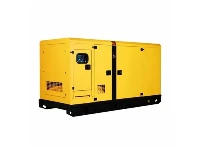
If you’ve ever worked with high-voltage standby power systems, you know that even the smallest contaminants in diesel fuel can derail an entire operation. As a supplier of high-voltage power solutions, we field questions every day from operators, plant managers, and maintenance teams about the non-negotiable parts of keeping a 6.6kv diesel genset running reliably. The fuel filtration system isn’t just a “nice-to-have” here—it’s the backbone of protecting your genset’s most critical components, especially when you’re dealing with 6.6kv models used in demanding sectors like mining, data centers, and industrial manufacturing. If you’re evaluating power options, start by exploring our line of 6.6kv Diesel Genset to see how our filtration design is engineered for real-world performance.
Let’s break down exactly what your 6.6kv diesel genset’s fuel filtration system needs to deliver, based on industry standards, our decades of hands-on experience designing high-voltage units, and the unique strain that comes with 6.6kv application requirements. First, it’s important to distinguish 6.6kv gensets from other high-voltage models, like our 11kv Diesel Generator line, which has slightly different pressure and flow needs. That distinction is critical because filtration requirements scale with the power output and operating conditions of the genset.
Contaminants You’re Fighting (And Why 6.6kv Gensets Are More Vulnerable)
Diesel fuel comes with inherent contaminants, even if you source it fresh. These can be split into three categories: particulate matter, water, and microbial growth. For a 6.6kv diesel genset, the risks of these contaminants are amplified by two factors: the genset’s high-pressure fuel injection system (common in modern models) and the often-heavy-duty operating cycles of 6.6kv applications. Take mining sites, for example—our Mining Diesel Generator line is designed for 24/7 operation in dusty, harsh environments, where fuel is often stored for long periods and exposed to temperature swings that accelerate contamination. A tiny piece of dust or water in the fuel can clog injector nozzles, corrode fuel pumps, or even cause a catastrophic shutdown mid-operation—a disaster in a setting where downtime can cost tens of thousands of dollars per hour.


Particulate contaminants are the most direct threat. These include rust from fuel tanks, dirt from storage and transport, and wear particles from older fuel infrastructure. Modern common-rail fuel systems, which are standard in most 6.6kv diesel gensets, operate at pressures up to 3,000 bar. Even a 10-micron particle can act like sandpaper inside injectors, wearing down precision parts and disrupting fuel delivery. For 6.6kv gensets, which often run at full load for extended periods during peak demand or grid outages, this wear happens much faster than in lower-voltage gensets.
Water contamination is another big one. Diesel can only hold a small amount of dissolved water before it separates as free water. Free water in the fuel can cause corrosion in fuel lines and tanks, and even worse, it can lead to fuel injector freezing in cold climates. For high-voltage gensets, water contamination also throws off the delicate balance of the combustion process, leading to lower efficiency and increased emissions—something that’s a growing concern for industrial operators facing stricter environmental regulations. Microbial growth, which thrives in water-contaminated fuel, forms slimy biofilms that clog filters and can damage fuel system components over time.
Non-Negotiable Filtration Requirements for 6.6kv Diesel Gensets
Now that we know what we’re fighting, let’s get into the specific performance standards that your fuel filtration system must meet to keep a 6.6kv diesel genset running. These requirements come from global standards like ISO 16332 (the standard for diesel fuel filtration) and engine manufacturers’ specifications, tailored specifically for high-voltage gensets.
1. Dual-Stage Filtration for Primary and Secondary Protection
A single filter won’t cut it for a 6.6kv diesel genset. We design all our 6.6kv models with a two-stage filtration system, and here’s why: the first stage (the primary filter) handles bulk contaminants, while the second stage (the secondary filter) removes fine particles that could damage precision components.
The primary filter must have a high dirt-holding capacity, typically rated for 10 to 30 microns, depending on the genset’s engine size and operating conditions. Its job is to trap large debris before it reaches the fuel pump, protecting that expensive component from wear. For 6.6kv gensets, which often power critical loads, we recommend primary filters with a high flow rate to match the engine’s fuel demand—anything less can cause fuel starvation during peak load, leading to power dips or shutdowns.
The secondary filter, often called the final filter, is responsible for removing fine particulate matter down to 2 to 5 microns. This is the stage that protects the fuel injectors, which are critical for maintaining the high pressure and precise fuel delivery that 6.6kv gensets need to operate efficiently. A secondary filter with a 2-micron absolute rating (meaning it removes 99.9% of 2-micron particles) is standard for our high-voltage models, and we never skip this step. For comparison, lower-voltage gensets often only use a primary filter, but that’s insufficient for the demands of 6.6kv operation.
2. Integrated Water Separation That Doesn’t Compromise Flow
Water is so harmful to diesel gensets that your filtration system must include dedicated water separation, not just a filter that happens to catch water. For 6.6kv models, this separation needs to be highly efficient—typically 99% removal of free water down to 20 microns or smaller. The best systems use a coalescing filter element: small fibers that attract water droplets, causing them to clump together so they can be drained from the fuel system.
What’s a common mistake we see? Some operators use a filter that has water separation built-in, but it restricts fuel flow, especially at full load. For a 6.6kv diesel genset, which can require hundreds of liters of fuel per minute at full power, even a small flow restriction can cause the fuel pump to work harder, leading to premature wear. That’s why we design our water separation units to maintain a minimum pressure drop—usually less than 0.5 bar at full load—so there’s no impact on performance. We also add automatic water drains to these systems, which are critical for mining and other remote applications where manual draining is difficult.
3. Compatibility with High-Pressure Fuel Systems
Most modern 6.6kv diesel gensets use common-rail fuel systems, which operate at much higher pressures than older engines. This means the filtration system can’t just catch contaminants—it also has to withstand extreme pressure without failing. Standard filtration elements can rupture under the pressure of a high-pressure fuel system, leading to unfiltered fuel reaching the engine and catastrophic damage.
For our 6.6kv diesel genset line, we use filtration elements that are rated for operating pressures up to 5,000 bar—well above the maximum pressure of common-rail systems. The filter housing is also constructed from heavy-duty steel, not plastic, to handle pressure spikes during startup and full load. We’ve tested these systems extensively to ensure they meet the pressure requirements of high-voltage gensets, and we recommend against using aftermarket filters that aren’t specifically rated for 6.6kv applications—even if they claim to fit.
4. Cold Weather Performance for Consistent Operation
If your 6.6kv diesel genset operates in cold climates, the filtration system has a fourth requirement: handling wax in diesel fuel. Diesel fuel has a cold filter plugging point (CFPP), which is the temperature at which wax crystals begin to form and clog filters. For gensets that need to start reliably in temperatures below -10°C, the filtration system must include a heater to keep the fuel warm enough to prevent wax from forming.
We design our cold-weather 6.6kv models with integrated fuel heaters that are controlled by the genset’s engine management system, ensuring the fuel stays at the right temperature during startup and operation. The filter elements themselves are also made from porous materials that don’t block wax crystals as easily, and we recommend using winter-grade diesel fuel for gensets operating in temperatures below -15°C. For operators in hot climates, while wax isn’t a problem, heat can cause contaminants to become more volatile, so we also ensure our filtration systems are rated for high-temperature operation up to 50°C.
Additional Operational Requirements to Maximize Filtration Effectiveness
Even a perfectly designed filtration system won’t work if it’s not maintained correctly. For 6.6kv diesel gensets, we have a set of operational guidelines that go hand-in-hand with the filtration system requirements, based on years of servicing high-voltage power systems in the field.
First, regular filter replacement is non-negotiable. We recommend changing primary filters every 500 operating hours and secondary filters every 1,000 hours, but adjust the schedule based on your fuel quality and operating environment. For example, mining operations with dusty conditions may need primary filters changed every 300 hours, while gensets running on ultra-low-sulfur diesel (ULSD) in clean industrial areas may be able to extend intervals slightly.
Second, regular water draining is critical. Most filtration systems have a sight glass that lets you check the water level, and we recommend draining water at least every 100 operating hours, or more often if you notice frequent buildup. Ignoring water in the fuel tank or filtration system is one of the most common causes of 6.6kv genset failures we see.
Third, monitor pressure drop across the filter. A sudden increase in pressure drop (the difference between fuel pressure before and after the filter) is a sign that the filter is clogged and needs replacement. We equip all our High Voltage Diesel Generator models with pressure gauges that make this monitoring easy, so operators can catch issues before they cause problems.
How Our 6.6kv Diesel Genset Line Delivers on Filtration Requirements
At the end of the day, the best way to meet fuel filtration requirements is to work with a genset supplier that integrates those requirements into the design of the unit itself, not as an afterthought. Our 6.6kv Diesel Genset line is engineered with the dual-stage filtration system, high-efficiency water separation, pressure-rated elements, and cold-weather performance we’ve outlined here, all tailored to the unique demands of 6.6kv operation. For our mining customers, we add extra filtration protection to handle the dusty, harsh conditions of remote sites, ensuring our Mining Diesel Generator line runs reliably 24/7.
If you’re in the market for a 6.6kv diesel genset, or looking to upgrade your existing system’s filtration to meet the demands of your operation, our team can help you design a solution that fits your needs. Whether you need a genset for a data center’s backup power, a mining site’s main power supply, or an industrial plant’s peak shaving system, we have the expertise to ensure your fuel filtration and genset work together to deliver consistent, reliable power.
References
- International Organization for Standardization. (2019). ISO 16332: Diesel engines — Fuel filtration systems for compression ignition engines — Requirements and test methods. Geneva, Switzerland: ISO.
- Cummins Inc. (2022). High Voltage Diesel Genset Design and Maintenance Guidelines. Columbus, IN: Cummins Power Generation.
- American Petroleum Institute. (2021). Fuel Contamination and Filtration Best Practices for Industrial Diesel Engines. Washington, DC: API.
- Siemens Energy. (2023). High-Voltage Power Generation: Contamination Control for Critical Load Applications. Munich, Germany: Siemens Energy.