


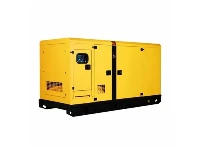
Hey everyone, I’m Jake, and I’ve been running a generator supply business for the past 8 years—let me tell you, one of the most common questions I get from homeowners, small business owners, even construction crew leads is this: do generator suppliers actually offer a variety of fuel options for their units? The short answer is yes, but it’s not just grabbing the first model off the shelf. Over the years, I’ve seen way too many people end up with a generator that’s a total mismatch for their space, budget, or how they plan to use it, all because they didn’t pay attention to fuel types. Today, I’m breaking down exactly what suppliers like mine (shoutout to being the go-to local and online source for all things gensets) offer, why that variety matters, and how to pick what works for you.
First off, let’s get real about who’s buying these days. Back when I started, most folks just needed a backup generator for power outages in their suburban homes, and diesel was the only game in town. Now? It’s all over the place—small café owners who need power for their espresso machines and refrigerators, remote farm operators who don’t have easy access to utility lines, even families in areas with super unreliable grid power. Each of these groups has totally different needs, so fuel options have to adapt too.
Let’s start with the most popular one people ask about: diesel. If you’ve browsed our site at all, you’ve probably seen our top-rated 20kw Diesel Power Generator—it’s a workhorse, no lie. Diesel generators are the backbone of our inventory, and for good reason. They’re fuel-efficient, they run for way longer on a single tank than gas models, and they’re built to handle heavy loads without conking out. For example, a 20kw diesel unit can power your whole house (think HVAC, fridge, lights, even a well pump) for 12+ hours on one tank, which is a huge win during a 24-hour winter storm. And since diesel’s less volatile than gas, it’s safer to store long-term—perfect for people who keep their generator as a backup, not something they run every weekend.
But here’s the thing: diesel isn’t for everyone. Some people might not want to deal with the smell or the regular maintenance, or maybe they’re in a city with strict emissions rules. That’s why we also offer gas-powered generators, right? Gas is super easy to get—every gas station has it, no special ordering or extra storage tanks needed. It’s also cleaner burning than diesel, so it’s a better pick for residential areas where noise or fumes are a concern. We have gas models in all sizes too, from the compact ones that power a few key appliances to larger units for small businesses.
Then there’s propane—man, propane is a sleeper hit these days. A lot of our clients who have whole-home generators swear by propane. Why? Because you can hook it up to your existing home propane tank, so you never have to go out and buy fuel during an outage. No worrying about running to the gas station when the roads are icy, no storing 5-gallon jugs in your garage that go bad over time. Propane also burns cleaner than both diesel and gas, so it’s easier on the environment and your generator’s engine—less maintenance, longer lifespan. We have a solid propane lineup, including options for every power need, from small 10kVA units to larger whole-home models.
Wait, and let’s not forget about natural gas. That’s another big one for homes that are already connected to the natural gas grid. If you live in a neighborhood with natural gas lines, a natural gas generator can run indefinitely as long as the grid stays down (well, as long as your generator itself is working, obviously). That’s a game-changer for people who get frequent outages—we had a client in Houston last year whose area lost power for 5 days straight, and their natural gas generator kept their whole house running without them lifting a finger to refuel.
Now, I know what some of you are thinking: “Is there a generator that runs on more than one fuel?” Yeah, we’ve got those too! Dual-fuel and tri-fuel generators are perfect for people who want flexibility. Like, if you have a propane tank and a gas line, you can switch between whichever is easier that day. Or if you’re camping or doing a job in a remote area, you can use gasoline if you can’t get propane. It’s great for folks who don’t want to be tied to just one fuel source, especially if they move around a lot or have variable needs.
Let me talk about how this works in practice for our business. When someone reaches out asking about a generator, the first thing I ask them is how they plan to use it, where it’ll be located, and what size their space is. For example, if a small café owner needs something to power their coolers and coffee equipment, I’ll probably point them toward something like our 13kVA Generator Price model. It’s compact enough to fit next to their outdoor seating, runs quiet enough so it doesn’t bother their customers, and diesel is easy for them to stock up on for late nights or weekends when they might be short-staffed.
Another example: a farmer I work with out in Iowa had his old diesel generator die last harvest season, and he needed something fast. He initially thought he needed a super big unit, but when we talked about it, he realized his main needs were power for his grain dryer and a few lights in his barn. We ended up helping him compare our Dg Set 10kVA Price diesel model, which is affordable, fuel-efficient, and perfect for his barn’s power needs. He ordered it that week, and he’s been happy with it ever since—said it’s run every day during harvest without a single issue.
We also work with a lot of homeowners who are shopping for whole-home generators, not just portable ones. For those folks, we often bring up our 100kw Diesel Generator—it’s big enough to power a 3,000+ square foot home, plus a detached garage or workshop. And since diesel is so reliable, it’s a top pick for areas that get a lot of extreme weather, like tornadoes or ice storms, where outages can last for days.
Wait, and I can’t skip over the Honda stuff—we’re official dealers for Honda, and their diesel generators are fantastic for home use. The Honda Diesel Generator For Home is compact, quiet, and super durable. A lot of our clients who don’t want a huge, noisy generator for their backyard love this one—it’s small enough to fit in a utility closet if you need it to, and it’s powerful enough to handle all your essential appliances. We’ve had people put this in their garage, run it during a power outage, and barely hear it from inside the house.
But here’s the thing I always make sure to tell every customer: not all generator suppliers are the same. A lot of places online will only carry one or two fuel types, and they’ll push whatever’s cheapest for them, not what’s best for you. At our company, we stock every major fuel type—diesel, gas, propane, natural gas, even multi-fuel options—because we know one size doesn’t fit all. We also don’t just sell the unit and dip; we help you figure out which fuel is right for your situation, and we offer maintenance plans too, so your generator is ready to go when you need it.


Let me address some common myths I hear all the time. First myth: “Diesel is too expensive.” Yeah, diesel prices can fluctuate, but when you factor in how much longer a diesel generator runs on a tank, it actually works out to be cheaper per hour of use than gas. Second myth: “Propane is hard to store.” If you use your generator as a backup, most people keep a 500-gallon propane tank, which is way safer than storing 10+ 5-gallon gas jugs in your garage that can go bad in a few months. Third myth: “Natural gas generators are only for big homes.” No, we have small natural gas models too, perfect for townhomes or smaller homes that already have a natural gas line.
Another thing to consider is emissions. More and more areas are tightening up rules on generator emissions, especially in urban places where air quality is a concern. A lot of our newer models, no matter the fuel type, are EPA-certified, which means they meet those standards. For example, Honda’s home diesel generators have super low emissions, so you don’t have to worry about running afoul of local laws. That’s something that a lot of budget suppliers don’t mention, and it can save you a ton of hassle if you get a fine because your generator isn’t compliant.
I also want to talk about reliability, because that’s the whole point of a generator—you need it to work when the power is out. Diesel models are famous for being reliable in tough conditions, but modern gas and propane models are catching up fast. The key is to pick a fuel type that aligns with how often you’ll use your generator. If you’re using it every day, like a small business or a farm, diesel is probably your best bet for low operating costs. If it’s a backup for occasional outages, propane or natural gas is easier because you don’t have to refuel it yourself.
At the end of the day, the variety of fuel options suppliers offer isn’t just a sales tactic—it’s about meeting the unique needs of every customer. Whether you’re a homeowner in a city dealing with grid instability, a small business owner needing consistent power for your livelihood, or a farmer working in remote areas, there’s a generator and a fuel type that’s perfect for you.
If you’re in the market for a generator and don’t know where to start, feel free to reach out. We’re here to walk you through all the fuel options, show you models that fit your budget and space, and make sure you get something you can count on. Don’t just take a supplier’s word for it—ask about their fuel variety, what models they carry, and how they’ll support you before and after the sale.
Ready to chat more about your generator needs? Reach out to our team to start the conversation and find the right fit for you.
References:
- U.S. Energy Information Administration. (2023). Generator Fuel Type Comparison. Retrieved from eia.gov
- Environmental Protection Agency. (2022). Certified Standby Generator Emissions Standards. Retrieved from epa.gov
- National Association of Home Builders. (2023). Whole-Home Generator Buying Guide. Retrieved from nahb.org
- Honda Power Equipment. (2023). Home Diesel Generator Specifications. Retrieved from honda-power.com