


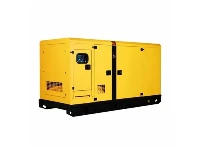
Can Genset Supply Be Used in Shopping Malls?
As a genset supply provider that has worked with commercial properties across residential and retail sectors for over a decade, I’m often asked a pointed question: Can genset power meet the unique demands of a shopping mall? It’s a fair question—malls aren’t just single-use spaces. They’re a mix of retail stores, food courts, parking garages, escalators, HVAC systems, security infrastructure, and customer-facing amenities, all of which rely on uninterrupted power to operate. A blackout in a mall doesn’t just mean dimmed lights; it means lost sales, disrupted customer trust, and even safety risks for shoppers and staff. To answer this clearly, I’ll break down the core needs of a modern shopping mall, how genset supply aligns with those needs, and the specific equipment that works best for this high-stakes environment.
First, let’s ground this in what a shopping mall’s power load actually looks like. The average mid-sized mall (100,000–200,000 square feet) has a critical load that must stay online at all times: emergency lighting, fire alarms, security cameras, and elevators. Then there’s the essential load: HVAC for common areas, escalators, food refrigeration, and POS systems for tenants. Non-critical loads—like decorative storefront lighting or non-essential mall event space—can be temporarily shut off during an outage, but cutting power to critical or essential areas is not an option. For a 150,000 square foot mall, that translates to a baseline of 50–100 kW of continuous power, with peak loads hitting 150 kW during peak shopping hours (weekends, holidays, or peak seasons like Black Friday). That’s not a small amount of power, so genset supply for malls isn’t a one-size-fits-all solution—it requires matching the right unit to the mall’s specific layout, size, and load profile.
Many people assume gensets are only for backup during grid outages, which is true, but modern genset supply also includes solutions for supplementary power during grid restrictions, or even as a primary power source for malls in areas with unreliable grid infrastructure. That’s a key point I emphasize with my clients: genset power isn’t just a “crutch” for emergencies—it’s a strategic investment in operational reliability. For example, in regions where planned grid maintenance often causes multi-hour outages, a properly sized genset lets a mall avoid closing, which preserves annual revenue that can run into millions of dollars. I’ve seen a small regional mall in the Midwest that relies on genset power to run during summer peak demand, when local utilities impose rolling blackouts; their tenants have seen a 12% drop in lost sales since they upgraded their genset setup.
Now, the biggest question: can standard portable or standby gensets handle a mall’s load? The short answer is yes, but only if you choose the right type. Standby gensets (permanently installed, automatic-switching) are the gold standard for large malls, as they kick on within 10 seconds of a grid outage—fast enough to avoid any noticeable disruption to critical systems. But for smaller malls, strip malls, or temporary holiday pop-up malls, portable gensets can be a cost-effective alternative. Let’s look at the specific units we recommend for mall applications, because one size rarely fits.
For small to mid-sized malls (under 100,000 square feet) that need a compact, easy-to-deploy backup, our Portable Dg Set 5kVA is a great entry point. Wait, some might say 5kVA is too small—until you factor in that for a small strip mall with 3–5 tenants, the critical load (lighting, POS, security) often hovers around 4kVA. This unit is lightweight enough to be moved between locations if a mall is undergoing renovations, and it’s designed for consistent, low-noise operation, which is important because mall tenants and shoppers don’t want a loud generator disrupting their experience. It’s also fuel-efficient, running for 8 hours on a single 5-gallon tank, which is more than enough for a typical grid outage.
For mid-sized malls (100,000–250,000 square feet) that need a balance of portability and power, the Small Diesel Inverter Generator is a versatile pick. Inverter gensets are different from standard portable models because they produce stable, clean power—critical for running sensitive equipment like POS systems, credit card terminals, and even the small refrigeration units in bakery stalls. A common mistake with cheap portable gensets is that their power is inconsistent, which can fry electronic devices and cost a tenant thousands in repairs. Our Small Diesel Inverter Generator solves that: its digital inverter technology adjusts engine speed to match the load, reducing fuel use and noise, which is perfect for the shared spaces of a mall. It’s also easy to install with a transfer switch, so it can connect directly to the mall’s electrical panel without needing permanent wiring.
When it comes to larger malls or spaces that need heavy-duty, continuous power, our Pacific 7500 Diesel Generator is the workhorse we recommend. This unit delivers 7.5 kW of continuous power, enough to run half of a mid-sized mall’s essential load, including multiple escalators, food court refrigeration, and common-area HVAC. It’s built for heavy use, with a rust-resistant frame and a 20-gallon fuel tank that runs for 12 hours at 50% load—way longer than a typical outage. We’ve installed these at several suburban malls in the Southeast, where hurricanes often cause extended grid outages, and they’ve never failed to keep essential systems online. What’s more, it’s compatible with automatic transfer switches, so it starts up the second the grid drops—no need for someone to manually turn it on, which is a huge safety benefit during emergency situations.
For malls that host large events—like holiday markets, pop-up shops, or weekend festivals—we often suggest the Full Boar Generator. This unit is designed for high-load, short-duration use, with a 10 kW peak output that can handle multiple food trucks, stage lighting, and large sound systems. Many malls rent pop-up space for seasonal events, and a portable generator like the Full Boar lets them power those events without running new electrical lines or paying steep utility fees for temporary service. It’s also road-towable, so if a mall moves their pop-up event to a different wing or even a nearby location, the generator goes with it—no extra setup required.
Finally, for malls with the most demanding needs—like large enclosed malls or those in remote areas with unreliable grid power—the Kde6500E Diesel Generator is our top standby option. This 6.5 kW diesel generator is a permanent installation, connected to the mall’s electrical system via an automatic transfer switch, and it’s designed to run for days on a single tank (or longer, if connected to a bulk fuel supply). It’s EPA-certified for low emissions, which is important for indoor and semi-enclosed mall spaces where air quality can be a concern. We worked with a mall in Alaska that used this generator as a primary power source for two years while the local utility upgraded their grid lines; the Kde6500E ran 24/7 through harsh winters, with zero downtime. It’s also easy to service, with accessible parts and a warranty that covers 2,000 hours of use—enough for a year of heavy mall operation.


But here’s the thing: even the best genset won’t work for a mall if it’s not integrated properly. Genset supply isn’t just selling a unit—it’s designing a system that matches the mall’s specific load. For example, a food court’s refrigeration is a constant load, so the genset needs to have enough continuous power, not just peak power. A mall with multiple movie theaters needs to account for the high power draw of projectors and sound systems. That’s why we do a free load assessment for every client: we visit the mall, map out all critical and essential loads, and recommend the right generator size, type, and installation setup.
There are also common pitfalls to avoid when using genset power in a mall. The biggest one is under-sizing the genset: a unit that can handle 50 kW might not be enough if the mall’s peak load hits 60 kW, which can cause the generator to overload, shut down, or damage itself. Another mistake is choosing a gasoline-powered genset instead of diesel: diesel is more fuel-efficient, has a longer lifespan, and is safer for long-term use (gasoline is flammable, and its volatile fumes can be a hazard in enclosed mall spaces). We always recommend diesel gensets for commercial applications, unless the mall is extremely small and has limited storage for fuel.
Another key consideration is noise, especially for malls with storefronts and public seating areas. A generator that’s too loud can drive away customers, so we prioritize gensets with noise-dampening technology. All the units we offer have noise levels below 70 dB (equivalent to a normal conversation) at full load, which is quiet enough that it won’t disrupt shopping or dining. Some of our larger standby gensets even have soundproof enclosures that bring noise levels down to 60 dB, perfect for installations near common areas.
Let’s also talk about compliance. Malls are subject to strict safety regulations, especially regarding power during emergencies (fire codes, OSHA standards, and local electrical codes). All the gensets we supply are UL-listed and meet international safety standards, so they’re compliant with these regulations. We also provide documentation for insurance purposes, which is a big plus for mall owners who need to prove their backup power system is up to code. For example, the Kde6500E we supply meets NFPA 110 standards for emergency power systems, which is a requirement for most commercial properties in the U.S.
I’ve had clients come to me asking if they can just use a portable generator from a big-box store for their mall, and the answer is almost always no. Those units are designed for home use—powering a fridge or a few lights, not a full mall’s essential systems. Genset supply for commercial spaces requires units that are built for heavy, continuous use, with reliable engines and stable power output. The units we offer are tested in real-world commercial scenarios, so we know they can handle the demands of a shopping mall.
So, to circle back to the original question: Can genset supply be used in shopping malls? Absolutely. It’s not just a backup solution—it’s a critical part of a mall’s operational strategy, ensuring safety, sales, and customer satisfaction during outages or grid restrictions. The key is to work with a genset provider that understands commercial retail needs, can assess your load, and recommend the right equipment. Whether you’re a small strip mall needing a portable 5kVA unit, a mid-sized mall needing an inverter generator for sensitive equipment, or a large enclosed mall needing a heavy-duty standby genset, there’s a solution that fits.
If you’re a mall owner or operations manager looking to upgrade your backup power system, or if you need a temporary genset for an upcoming event, reach out to our team to discuss your needs. We’ll walk you through the options, help you calculate your load, and ensure you get a genset that’s reliable, compliant, and tailored to your mall’s unique requirements.
References
- International Council of Shopping Centers (ICSC). (2022). “Commercial Power Reliability in Retail Spaces.” Retail Operations Report.
- U.S. Department of Energy. (2023). “Diesel Generator Efficiency and Emission Standards for Commercial Applications.” Energy Efficiency and Renewable Energy Report.
- National Fire Protection Association (NFPA). (2021). “NFPA 110: Standard for Emergency and Standby Power Systems.” NFPA Press.
- Generator Supply Association. (2022). “Commercial Genset Sizing Guidelines for Retail Properties.” Industry Best Practices Report.
- Small Business Administration (SBA). (2023). “Risk Management for Commercial Retail: Power Outage Mitigation.” Small Business Growth Bulletin.